
Dark under-eye circles can make you look tired, older, or worn out even when you feel fine. Whether they’re from genetics, lack of sleep, or lifestyle factors, those shadows are one of the most common skincare concerns — and one of the most stubborn. The good news: with the right approach, you can meaningfully reduce their appearance, even if you can’t eliminate them entirely.
This guide covers why they happen, the ingredients with real evidence behind them, a complete routine to brighten the under-eye area, and when to consider professional treatment.
Why Dark Circles Appear
The skin under your eyes is the thinnest on your body, which makes blood vessels and pigmentation more visible than anywhere else. The most common causes:
- Genetics. If your parents have dark circles, you likely inherited the underlying skin thickness, vascular structure, or pigmentation pattern. This is the single biggest factor and the hardest to fully reverse.
- Fatigue and poor sleep. Sleep deprivation makes skin paler and increases fluid retention, both of which make dark circles more visible.
- Dehydration. Dull, dehydrated skin emphasizes under-eye shadows.
- Sun exposure. UV rays increase melanin production, darkening the area further.
- Aging. Collagen loss with age makes under-eye skin thinner, increasing visibility of blood vessels and shadows from volume loss.
- Allergies. Eye rubbing causes inflammation and pigmentation. “Allergic shiners” are a real phenomenon.
- Iron deficiency. Low iron can cause a paler complexion and more visible under-eye darkness — worth checking with your doctor if dark circles appeared suddenly.
- Lifestyle factors. Smoking, excessive alcohol, and high stress all contribute.
Knowing the underlying cause helps set expectations. Pigmentation-driven dark circles respond well to topical brightening. Vascular shadows (blueish-purple) respond more to thickening the skin with retinoids or to professional treatments. Volume-loss shadows often only respond to dermal fillers.
Building an Effective Under-Eye Routine
Step 1: Gentle Cleansing
Harsh cleansers worsen the under-eye area. A creamy, fragrance-free option is ideal.
- CeraVe Hydrating Cleanser — ceramides and hyaluronic acid, gentle and well-tolerated.
Use lukewarm water and pat dry — don’t rub. If you wear makeup or heavy sunscreen, double-cleanse at night with an oil cleanser or micellar water first.
Step 2: Targeted Eye Serum or Cream
The ingredients with the most evidence for under-eye brightening:
- Caffeine — temporarily constricts blood vessels, reducing puffiness and the visible blueness of dark circles.
- Vitamin C — brightens pigmentation over time and supports collagen production.
- Niacinamide — reduces pigmentation, supports the skin barrier, evens tone.
- Peptides — signal collagen production, gradually thickening the under-eye skin.
- Retinol or retinaldehyde — increases collagen and cell turnover. Use a low concentration formulated for eye area; avoid during pregnancy and breastfeeding.
- Hyaluronic acid — plumps the skin temporarily, reducing the appearance of shadows.
Well-formulated options:
- The Ordinary Caffeine Solution 5% + EGCG — affordable, lightweight, sits well under makeup.
- Olay Eyes Ultimate Eye Cream — niacinamide and peptides, multi-targeted.
- Kiehl’s Creamy Eye Treatment with Avocado — rich, hydrating, good base for concealer.
- La Roche-Posay Pigmentclar Eyes — niacinamide-based, designed for pigmentation.
Apply with your ring finger (lightest pressure) by gently patting — never rub.
Step 3: Moisturizer
Hydrated skin looks plumper and shows less visible shadow. A lightweight moisturizer over your eye cream locks in hydration:
- Neutrogena Hydro Boost Gel-Cream
- CeraVe Moisturizing Cream (lighter version)
- La Roche-Posay Toleriane Double Repair
Step 4: Sunscreen (Morning Only)
The single most impactful step for preventing dark circles from worsening. UV exposure darkens existing pigmentation and accelerates collagen loss in already-thin under-eye skin.
- La Roche-Posay Anthelios Melt-in Milk SPF 60
- EltaMD UV Clear SPF 46
- Supergoop! Unseen Sunscreen SPF 40
Apply right up to (but not on) the lower lash line. Wear sunglasses outdoors — they protect both the skin and the eyes themselves.
Step 5: Optional Exfoliation
Mild chemical exfoliation once a week can support brightening. Use a gentle option (lactic acid, mandelic acid) — never physical scrubs near the eye area.
- The Ordinary Lactic Acid 5% + HA — apply to the broader cheek area, avoid getting it directly under the eyes. Don’t apply to the orbital bone or eyelid.
Step 6: Nighttime Treatment (Optional)
A few nights a week, add a brightening or peptide-rich treatment. Vitamin C is best in the morning; retinol is better at night. Don’t combine both on the same evening when you’re starting out.
Realistic Timeline
Topical skincare for dark circles works gradually. Expect:
- Caffeine effects: visible within hours, but temporary.
- Hydration plumping: within days.
- Pigmentation lightening (vitamin C, niacinamide): 8–12 weeks for visible change.
- Skin-thickening effects (retinol, peptides): 12–24 weeks.
If your dark circles are primarily from genetics or volume loss, topical products will help but won’t eliminate them. That’s where professional treatment becomes worth considering.
Lifestyle Habits That Genuinely Help
- Sleep 7–8 hours. Real, deep sleep matters more than naps. Sleep deprivation is one of the most reversible causes of visible dark circles.
- Hydration. 6–8 glasses of water a day.
- Eat for circulation and skin health. Vitamin C (citrus, bell peppers, berries), vitamin K (leafy greens), iron (lean meat, lentils, spinach), and omega-3s all support skin tone and circulation.
- Sleep slightly elevated — propping your head up reduces overnight fluid pooling that causes morning puffiness.
- Don’t rub your eyes. If allergies are the cause, treat the allergies (antihistamines, allergy management). Use a cold compress for itchiness instead of rubbing.
- Manage stress. Cortisol affects circulation and skin appearance.
- Quit smoking if you smoke. Smoking accelerates skin aging dramatically and worsens circulation around the eyes.
Gentle Home Remedies That Are Actually Safe
A few simple at-home tricks with real (if temporary) effect:
- Cold compresses. A cool damp washcloth applied for 5–10 minutes reduces puffiness and constricts blood vessels.
- Cold tea bags (green or chamomile). Steep, chill thoroughly, and place over closed eyes for 10–15 minutes. The combination of cold and caffeine (in green tea) is genuinely effective for short-term puffiness.
- Cucumber slices. Mostly a cooling/hydrating effect — pleasant, harmless, modestly helpful.
- Refrigerated eye cream. Store your regular product in the fridge for an instant de-puffing boost when you apply it.
Skip the folk remedies: raw potato, lemon juice, baking soda, undiluted apple cider vinegar. These either have no evidence behind them or can actively irritate the delicate eye area.
Makeup to Conceal While You Treat
Topical treatment takes weeks. Makeup is your same-day solution:
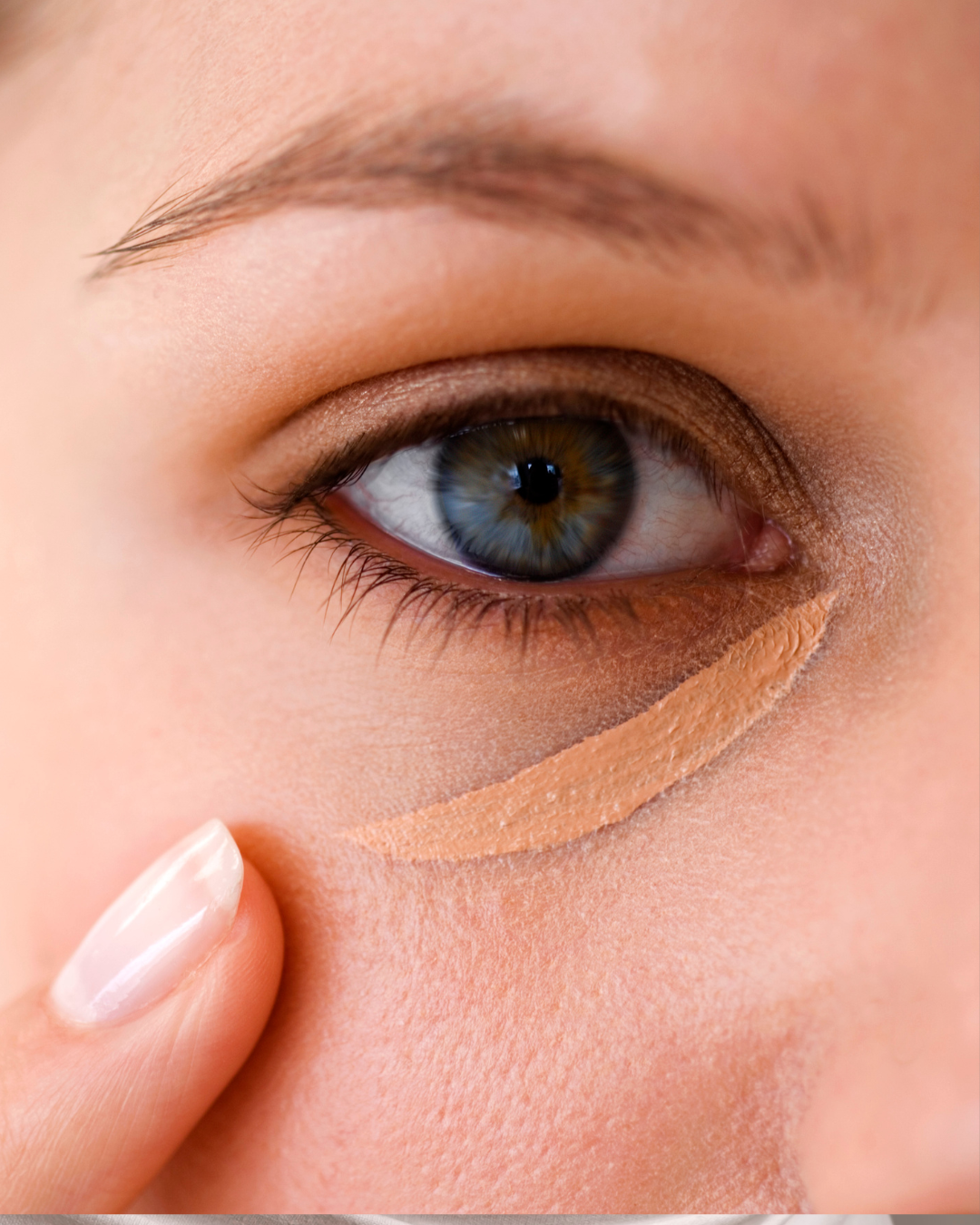
- Color corrector: peach or orange tones neutralize blue/purple shadows. Apply lightly under concealer.
- Concealer: hydrating, lightweight, one shade lighter than your skin. NARS Radiant Creamy Concealer is widely loved.
- Setting powder: a tiny amount of finely milled translucent powder (like Laura Mercier) prevents creasing.
Apply concealer in an upside-down triangle below the eye for a brightened, lifted look.
When to See a Dermatologist
If dark circles are stubborn despite a solid routine and lifestyle changes — or if they appeared suddenly — see a board-certified dermatologist. Professional options include:
- Prescription topicals (tretinoin, hydroquinone) for stubborn pigmentation
- Chemical peels targeted to the under-eye area
- Laser therapy for vascular or pigmented dark circles
- Microneedling with or without PRP
- Hyaluronic acid fillers for hollow under-eyes (the only intervention that truly addresses volume loss)
Sudden onset of dark circles can also indicate iron deficiency, thyroid issues, or other medical conditions — your GP can rule these out with simple blood work.
Final Thoughts
Dark circles are one of the most stubborn skin concerns because they often have multiple causes layered together — genetics, sleep, sun, allergies, aging. A consistent routine with proven ingredients (caffeine, vitamin C, niacinamide, peptides, retinoids) plus daily SPF and good lifestyle habits will visibly improve most cases over 2–3 months.
If genetics give you stubborn dark circles, manage expectations: topical care helps significantly but rarely eliminates them. That’s where a combination of skincare, lifestyle, and (when you’re ready) professional treatments produces the most dramatic results.