
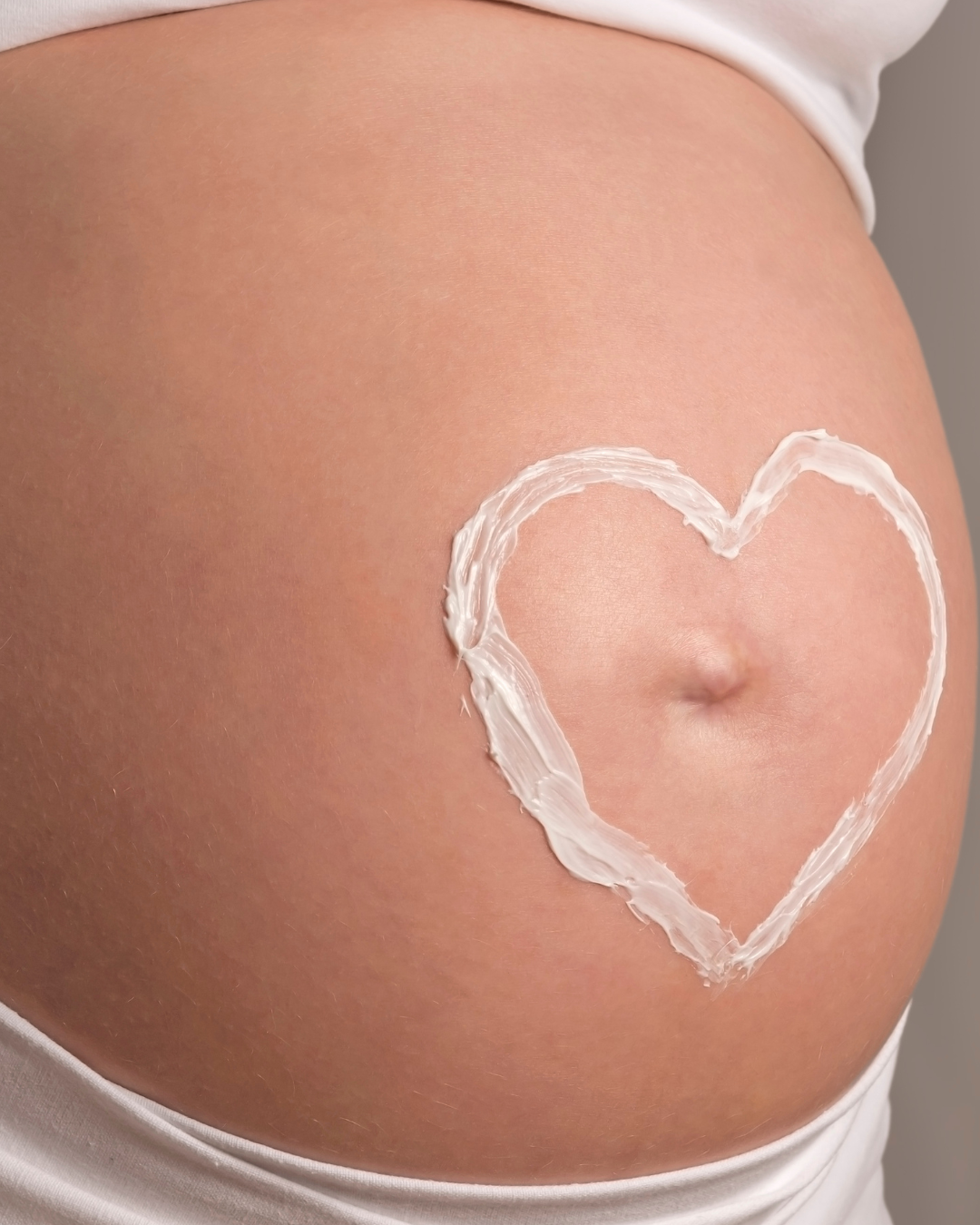
Pregnancy is a wild ride, and your skin goes along for it. As your belly grows, the skin stretches faster than usual, often leaving you with dryness, intense itching, and the possibility of stretch marks. Hormonal shifts also tend to make skin more reactive and sensitive than it was pre-pregnancy. The right belly cream, butter, or lotion isn’t going to perform miracles — but consistent moisturizing genuinely helps with comfort, elasticity, and reducing the itching that drives many pregnant women crazy.
This guide walks through what to look for, which products have earned their reputation, how to use them effectively, and what the evidence actually says about stretch mark prevention (spoiler: less than the marketing suggests, but still worth doing).
This is general information, not medical advice. Always check with your OB-GYN or midwife before starting any new skincare during pregnancy, especially if you have a high-risk pregnancy, sensitive skin, or are using prescription medications. Some essential oils and active ingredients are not pregnancy-safe.
Why Belly Skincare Matters During Pregnancy
Your skin is doing a lot. As your bump grows, the dermis stretches and the skin barrier can become less effective at retaining moisture. Hormonal changes — especially the rise in estrogen and relaxin — affect skin elasticity, hydration, and sensitivity. The result for most pregnant women: drier skin, itching that often worsens at night, and sometimes stretch marks (medically called striae gravidarum).
A good belly product does three things well: it hydrates the outer layer of skin, supports the barrier so moisture stays in, and feels soothing enough that you’ll actually use it daily. Anything that promises to “prevent” stretch marks is overstating the case — but consistent moisturizing does ease the itching, improve comfort, and may modestly affect how stretch marks look.
What to Look For
Cutting through marketing, here’s what actually matters:
- Humectants like glycerin and hyaluronic acid — these pull water into the skin.
- Emollients like shea butter, cocoa butter, sweet almond oil, and jojoba oil — these soften and smooth.
- Occlusives like beeswax or plant waxes — these seal moisture in.
- Soothing botanicals like calendula, aloe vera, and chamomile — these help with the itching.
- Pregnancy-safe ingredient list. Avoid retinoids (retinol, retinyl palmitate, tretinoin), high-percentage salicylic acid, hydroquinone, and essential oils unless cleared by your doctor. Avoid added phthalates and synthetic fragrance if you’re sensitive.
For texture, it comes down to preference: butters are richest and best for very dry skin, lotions are lighter for daily ease, and oils are great post-shower when skin is still damp.
Trusted Belly Creams, Butters, and Lotions
1. Burt’s Bees Mama Bee Belly Butter
A long-standing favorite for good reason. Rich, fragrance-free, with shea butter, cocoa butter, and vitamin E. Hypoallergenic and free from parabens, phthalates, and petroleum, which makes it a safe pick for sensitive pregnancy skin. The texture is genuinely thick — you need a little, not a lot — and it absorbs without leaving you sticky.
Best for: Dry skin and moms who want a rich, simple ingredient list.
2. Palmer’s Cocoa Butter Formula Massage Lotion for Stretch Marks
The drugstore classic. Cocoa butter, shea butter, collagen, elastin, and argan oil in a lightweight lotion format. The cocoa scent is comforting if you like it (and avoidable through the fragrance-free version if you don’t). Budget-friendly enough to apply generously without thinking about cost.
Best for: Daily, full-body use at an accessible price.
3. Earth Mama Belly Butter
Organic, plant-based, with shea butter, organic aloe, and calendula. Non-greasy, absorbs quickly, and has a light natural scent that doesn’t trigger pregnancy nausea the way stronger fragrances can. Earth Mama is a certified B Corp, which matters if you care about supply chains.
Best for: Sensitive skin and nighttime itching.
4. The Honest Company Mama Care Body Cream
Lightweight cream with shea butter, coconut oil, and jojoba oil. Dermatologist-tested, hypoallergenic, and synthetic-fragrance-free. The pump bottle is genuinely useful when you’re already juggling a thousand small bottles in late pregnancy.
Best for: Quick daily application, especially in the morning or after showers.
5. Mustela Stretch Marks Cream
The French pharmacy favorite. Avocado peptides, beeswax, and shea butter in a rich-but-not-sticky base. Mustela has clinical testing supporting modest improvements in stretch mark appearance with consistent use — though as with all stretch mark products, “improvement” doesn’t mean “elimination.” Pregnancy-safe and postpartum-safe.
Best for: Moms wanting a more clinically-backed option, willing to pay more.
6. Belli Elasticity Belly Oil
If you prefer oils over creams, this blend of grapeseed oil, vitamin E, and sweet almond oil is light, absorbs fast, and leaves skin glowing without a heavy residue. Free of artificial dyes and fragrances.
Best for: Post-shower application when skin is damp, or layered under a cream at night.
How to Use These Products Effectively
- Start early. Begin in the first trimester. Skin elasticity is easier to maintain than to restore once stretching has happened.
- Apply twice daily. Morning and evening. Consistency matters more than the specific product.
- Massage in gently. Slow, circular motions help with absorption and may improve circulation. Don’t press hard.
- Cover all the stretching zones. Belly, hips, thighs, breasts, and lower back — wherever the skin is expanding.
- Apply to damp skin after showering for better absorption — but pat dry first, don’t apply to dripping skin.
An occasional gentle dry brushing session before showering can help exfoliate dead skin and improve product penetration — but skip this if you have any skin sensitivity, rashes, or your doctor has advised against it.
The Truth About Stretch Marks
Here’s what the research actually shows: stretch marks are largely genetic. If your mother had them in pregnancy, you’re statistically more likely to as well. Skin type, age, weight gain rate, and the size of the baby all play roles too.
Topical products can help with the appearance and severity of stretch marks but cannot prevent them outright in someone genetically predisposed. The mechanisms that drive stretch marks (rupture of dermal collagen and elastin during rapid stretching) happen deeper than topical creams can fully reach.
That said, well-hydrated skin is more flexible and tends to recover better post-pregnancy. Even if the marks form, consistent moisturizing usually reduces redness and helps them fade faster after birth. So the routine is worth doing — just for realistic reasons rather than impossible promises.
If stretch marks are a big concern for you, talk to your dermatologist after pregnancy about treatments with stronger evidence: prescription tretinoin (only after pregnancy and breastfeeding), microneedling, and certain laser treatments can all meaningfully reduce stretch mark appearance once you’re no longer pregnant.
A Simple DIY Belly Butter (With Safety Notes)
If you’d rather make your own, here’s a clean recipe:
Ingredients:
- ½ cup organic shea butter
- ¼ cup virgin coconut oil
- 2 tbsp sweet almond oil (skip if you have a nut allergy)
Method:
- Melt the shea butter and coconut oil in a double boiler over low heat.
- Remove from heat and stir in the sweet almond oil.
- Let cool to room temperature, then whip with a hand mixer until fluffy.
- Store in a clean glass jar at room temperature. Use within 3 months.
About essential oils: You’ll see many DIY belly butter recipes online that include lavender, frankincense, or other essential oils. The evidence on essential oil safety during pregnancy is mixed, and recommendations vary widely between aromatherapists and OBs. Some essential oils (clary sage, rosemary, jasmine, basil) are actively contraindicated in pregnancy. To keep things simple and safe, we’ve left them out of this recipe. If you want to add scent, check with your doctor or midwife about which oils are safe for your stage of pregnancy.
Always patch test. Apply a small amount to the inside of your forearm 24 hours before using on your belly. Pregnancy can make you newly sensitive to ingredients you tolerated before.
When to See a Doctor
Most pregnancy itching is normal — skin stretching, dry skin, hormonal shifts. But intense itching, especially if it includes:
- Severe itching on hands and feet, particularly at night
- Itching without a visible rash
- Yellowing of the skin or eyes
- Dark urine or pale stool
…can be a sign of cholestasis of pregnancy, which is a serious liver condition that needs medical attention. If something feels off, call your provider. Skincare won’t fix a medical issue.
Final Thoughts
Pick a product that feels good on your skin and that you’ll actually reach for twice a day. Consistency beats any specific brand. Pair daily moisturizing with good hydration, balanced nutrition, and gentle movement — the things that support your whole body during this stretch.
Pregnancy skin is doing extraordinary work. Treat it well, set realistic expectations about what topical products can do, and remember that the marks and stretches your body might earn through this process aren’t flaws to fix — they’re evidence of something remarkable happening.