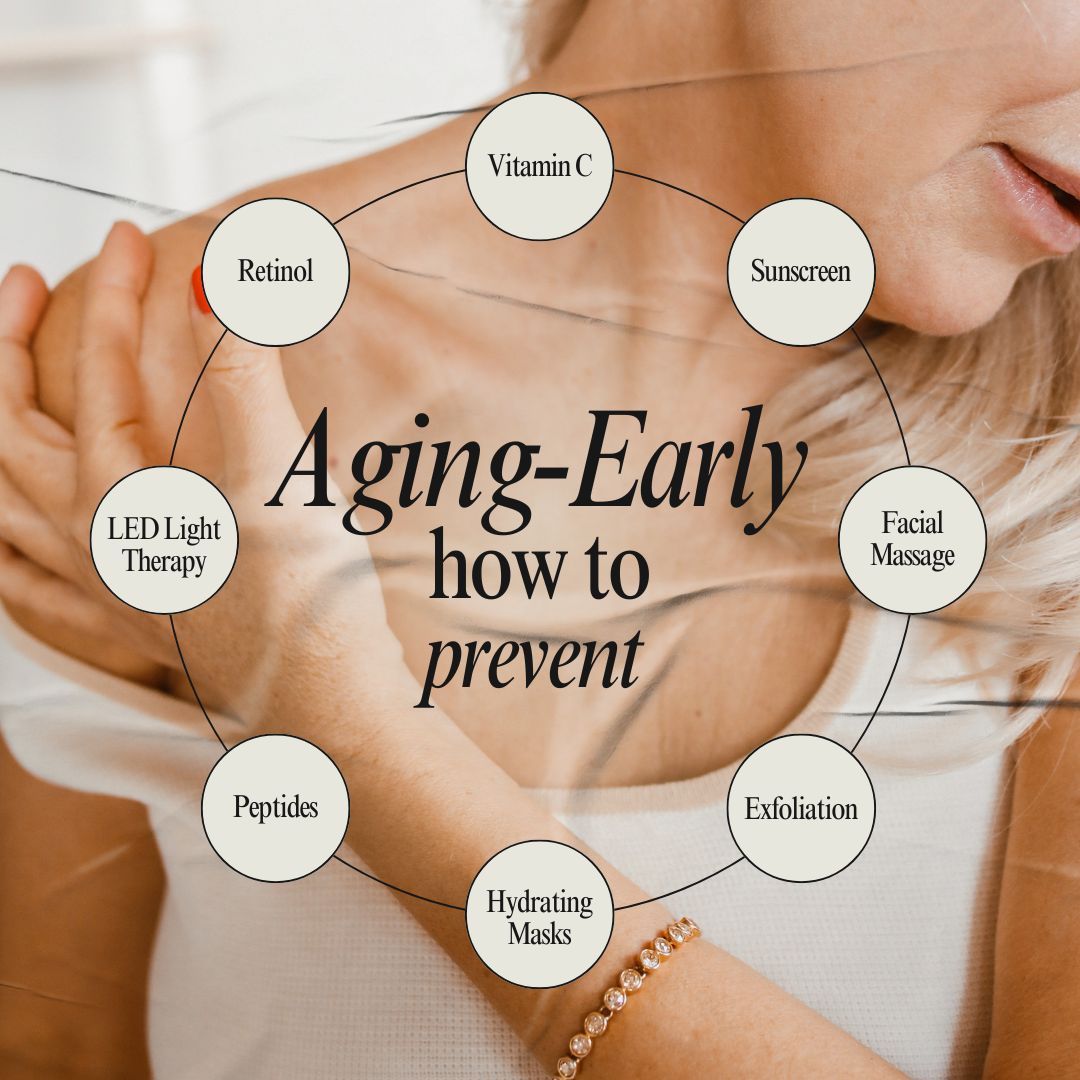

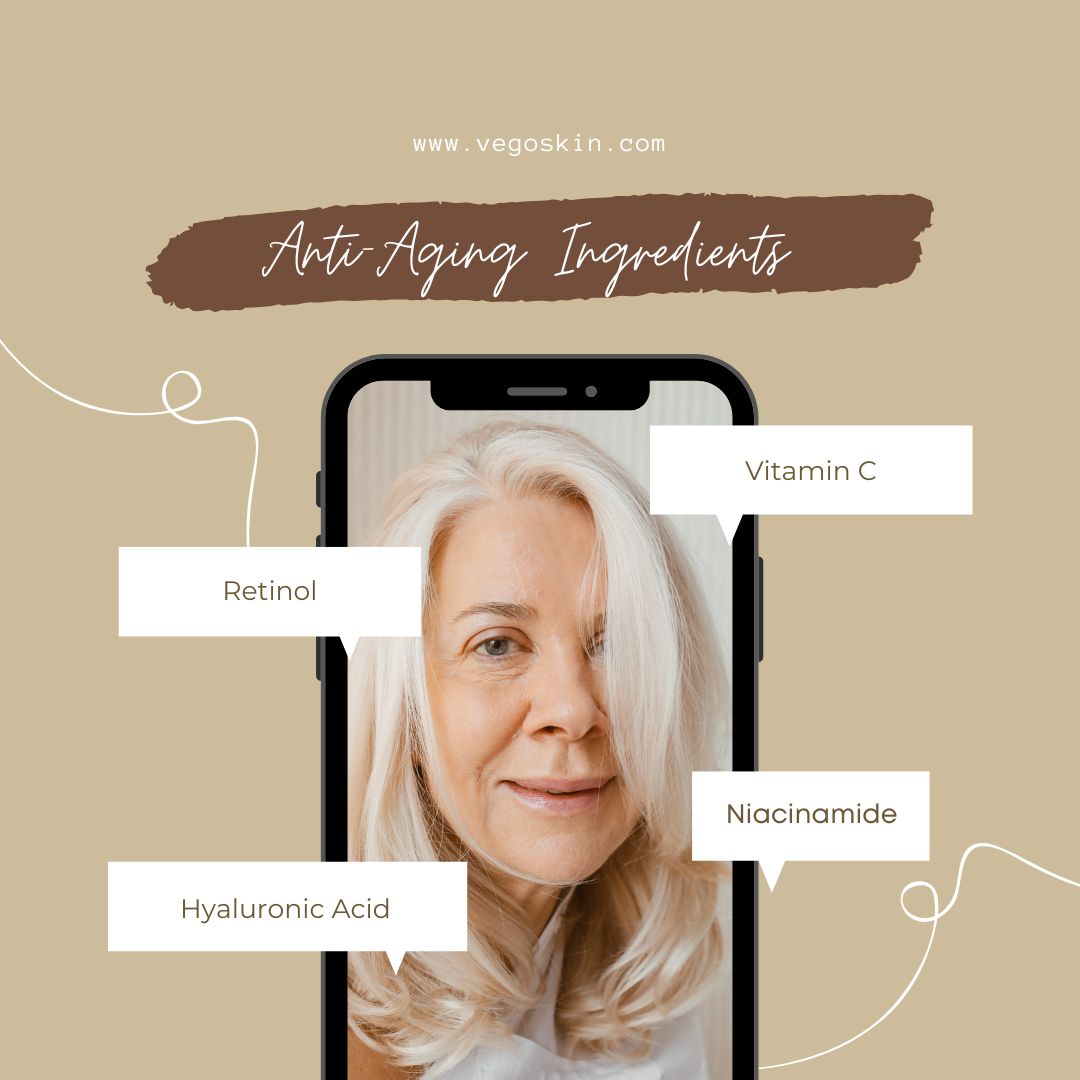
Aging is natural — but with the right ingredients, you can support your skin’s health, soften visible signs of aging, and keep a radiant complexion. The beauty industry is overflowing with products, but not all ingredients are created equal. Here are the anti-aging ingredients that actually have evidence behind them, how they work, and how to build them into a routine.
Whether you’re in your 20s preventing early signs or in your 50s restoring elasticity, these ingredients earn their place.
Why These Ingredients Matter
As we age, collagen production slows, elasticity decreases, and UV and pollution take their toll — bringing fine lines, wrinkles, dark spots, and dryness. The right ingredients address these by repairing damage, boosting cell turnover, and protecting against future harm. This isn’t about vanity; healthy skin is a barrier against external stressors and a reflection of overall wellbeing. Choosing science-backed ingredients means investing in results rather than empty promises.
1. Retinol — The Gold Standard
If dermatologists agree on one anti-aging ingredient, it’s retinol. A vitamin A derivative, it reduces wrinkles, improves texture, and fades dark spots by accelerating cell turnover and stimulating collagen.
How to use: Start with a low concentration (0.25–0.5%) to avoid irritation. Apply at night, since it increases sun sensitivity, and always pair with daily SPF. Studies show consistent use over about 12 weeks significantly reduces signs of aging. Avoid during pregnancy and breastfeeding.
2. Vitamin C — The Brightening Antioxidant
Vitamin C neutralizes free radicals from UV and pollution, boosts collagen synthesis, and fades hyperpigmentation.
How to use: Look for serums with 10–20% L-ascorbic acid (the most studied form). Apply in the morning before sunscreen. SkinCeuticals C E Ferulic is a well-regarded option that pairs vitamin C with ferulic acid for stability. If pure vitamin C irritates you, gentler derivatives (sodium ascorbyl phosphate, magnesium ascorbyl phosphate) are good alternatives.
3. Hyaluronic Acid — The Hydration Hero
Dry skin exaggerates fine lines. Hyaluronic acid is a humectant that draws moisture into the skin, keeping it plump. It occurs naturally in the body but diminishes with age.
How to use: Apply a serum like The Ordinary Hyaluronic Acid 2% + B5 on damp skin, then seal with moisturizer. Gentle enough for all skin types, morning and night.
4. Niacinamide — The Multitasker
Niacinamide (vitamin B3) strengthens the skin barrier, reduces redness, minimizes the appearance of pores, fades dark spots, and regulates oil — useful for oily skin.
How to use: A 5–10% serum (like Paula’s Choice 10% Niacinamide Booster) layers well with most other ingredients, including retinol and vitamin C. Research shows it improves skin texture and tone over about eight weeks.
5. Peptides — The Collagen Signalers
Peptides are short chains of amino acids that signal skin to produce more collagen and elastin. They’re gentle, making them suitable for sensitive skin.
How to use: Look for peptides like Matrixyl or Argireline in serums or creams (The Inkey List Peptide Moisturizer is budget-friendly). Apply after cleansing, before heavier creams.
6. Sunscreen — The Most Important Step
No anti-aging routine is complete without it. UV exposure is the leading cause of premature aging, breaking down collagen and causing wrinkles and dark spots.
How to use: Broad-spectrum SPF 30+ as the final step of your morning routine, reapplied every two hours outdoors. Daily SPF can prevent up to 80% of visible aging — it’s the single highest-impact thing you can do.
7. Bakuchiol — The Gentle Retinol Alternative
For sensitive skin, bakuchiol is a plant-derived alternative to retinol that offers similar benefits (smoother texture, fewer wrinkles) with less irritation.
How to use: A bakuchiol serum or cream at night, gentle enough for daily use. A 2019 study found it comparable to retinol for reducing fine lines and pigmentation over 12 weeks — and it’s pregnancy-safe, unlike retinol.
8. Alpha Hydroxy Acids (AHAs)
Glycolic and lactic acids exfoliate dead skin cells, revealing smoother, brighter skin, while stimulating collagen and improving moisture retention.
How to use: Start with a low concentration (5–10%) two to three times a week at night. Don’t combine with retinol on the same night when starting out.
Building Your Routine
Morning: Cleanse → vitamin C serum → niacinamide → moisturizer → sunscreen.
Evening: Cleanse → retinol or bakuchiol (alternate nights if using AHAs) → hyaluronic acid → peptide-rich moisturizer.
Introduce one new ingredient at a time so you can tell how your skin responds. Consistency is everything — results take weeks, not days.
Lifestyle That Supports Your Skincare
Stay hydrated, eat a diet rich in antioxidants (berries, leafy greens, nuts), and get 7–8 hours of sleep. Regular exercise boosts circulation, delivering oxygen and nutrients to your skin. No serum compensates for chronic sleep deprivation or smoking.
Common Mistakes to Avoid
- Overusing actives — too much retinol or AHA irritates skin. Stick to recommended frequencies.
- Skipping sunscreen — without SPF, you’re undoing the benefits of everything else.
- Ignoring your skin type — oily skin may tolerate higher retinol concentrations; dry skin needs more hydration.
- Expecting overnight results — most of these ingredients need 8–12 weeks of consistent use.
The Bottom Line
Aging is inevitable, but the right tools keep your skin looking its best. Retinol, vitamin C, hyaluronic acid, niacinamide, peptides, and — above all — daily sunscreen are the evidence-backed core of any anti-aging routine. Start small, stay consistent, and support it with good sleep, hydration, and sun protection. That combination beats any single “miracle” product.