
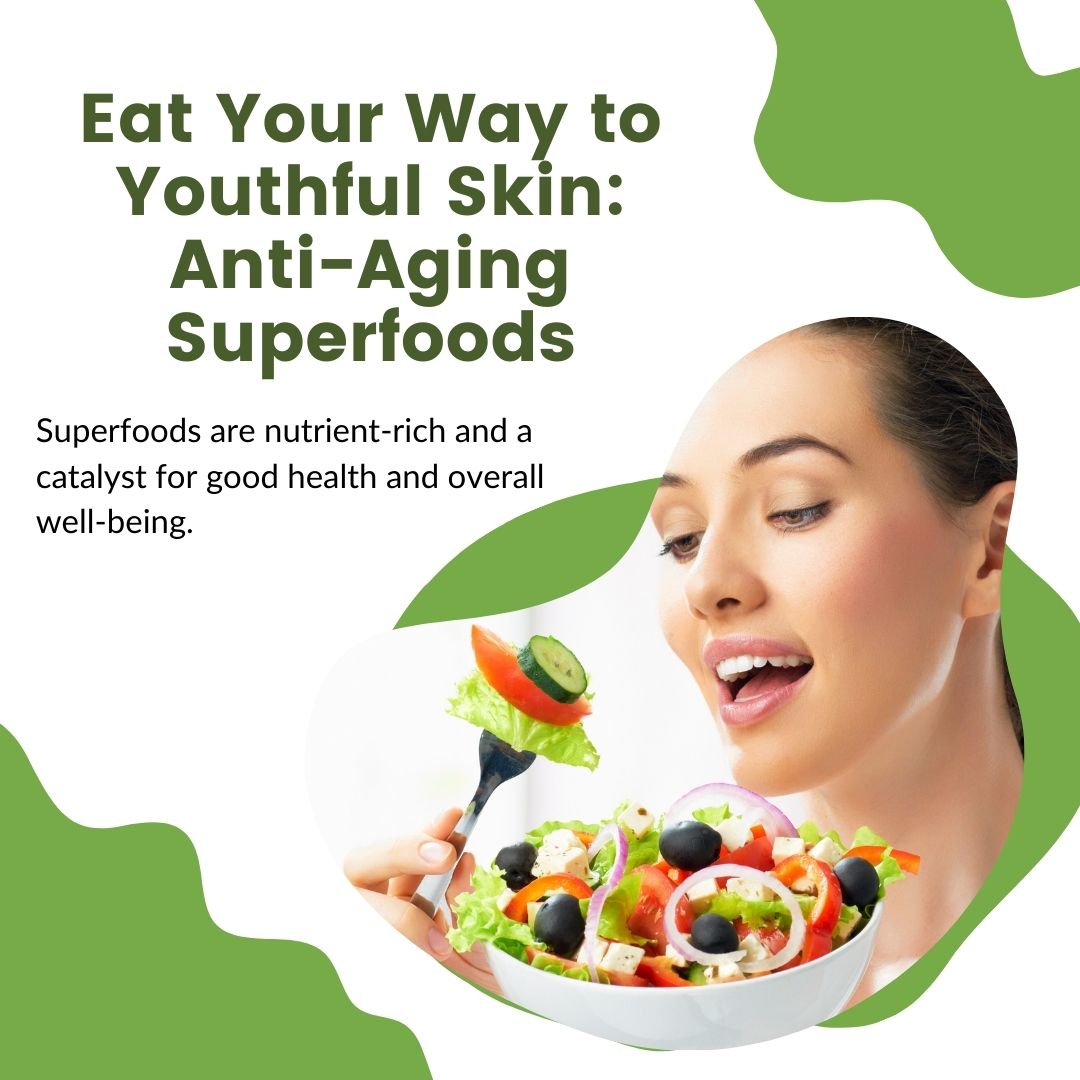
Youthful, radiant skin doesn’t have to rely solely on expensive creams or invasive treatments. Some of the most effective anti-aging support is already in your kitchen. By building nutrient-dense foods into your diet, you nourish skin from the inside out — and the science genuinely backs a connection between what you eat and how your skin ages. Here are the anti-aging superfoods worth prioritizing.
Why Food Matters for Skin
Skin is your largest organ and reflects what’s happening inside. A diet rich in vitamins, minerals, antioxidants, and healthy fats helps protect against oxidative stress, inflammation, and collagen breakdown — three major drivers of visible aging. Conversely, diets heavy in sugar and ultra-processed foods can accelerate aging by promoting inflammation and free-radical damage. Harvard Health has a good overview if you want to read deeper.
Antioxidant Powerhouses
Antioxidants neutralize free radicals — the unstable molecules that damage cells and accelerate wrinkles and sagging.
Blueberries
Loaded with anthocyanins (the compounds behind their color), which reduce inflammation and help protect collagen. How to enjoy: in smoothies, over Greek yogurt, or as a snack. Around ½ cup daily is a good target.
Spinach
Packed with vitamins A, C, and E — vitamin C supports collagen, vitamin A supports cell turnover — plus lutein, which helps protect skin from sun damage. How to enjoy: blended into smoothies, in salads, or sautéed with garlic.
Pomegranates
Rich in ellagic acid and punicalagin, antioxidants that help protect against UV damage and inflammation, with some evidence for improved hydration and elasticity. How to enjoy: seeds over avocado toast, in grain salads, or as unsweetened juice in moderation.
Healthy Fats for a Dewy Complexion
Dry, dull skin is a common sign of aging. Healthy fats restore moisture, strengthen the barrier, and reduce inflammation.
Avocados
Monounsaturated fats and vitamin E protect skin from oxidative damage and keep it hydrated, with research linking avocado intake to better elasticity. How to enjoy: on whole-grain toast, in dressings, or blended into smoothies. Half an avocado a day works well.
Salmon
One of the best omega-3 sources, which reduce inflammation, support the skin barrier, and offer some protection against sun damage. How to enjoy: grilled or baked with herbs and lemon, or flaked into salads. Aim for two servings a week.
Walnuts
Omega-3s, vitamin E, and zinc (which supports skin repair). How to enjoy: over oatmeal, in smoothies, or a small handful as a snack — about ¼ cup daily.
Collagen Support
Collagen gives skin its structure and firmness, but production slows with age. Certain foods support its synthesis or protect existing collagen.
Citrus Fruits
Oranges, lemons, and grapefruits are loaded with vitamin C, essential for collagen production and a strong antioxidant. Higher vitamin C intake is associated with fewer wrinkles and better hydration. How to enjoy: warm lemon water, orange segments in salads, grapefruit as a snack.
Bone Broth
Rich in collagen, amino acids, and minerals. Evidence here is still developing — the body breaks dietary collagen into amino acids rather than sending it straight to skin — but collagen-rich diets show some promise for elasticity and hydration. How to enjoy: as a warm drink, a soup base, or cooking grains in it. (For a vegan version of this site’s ethos, note that plant proteins plus vitamin C support your own collagen production just fine.)
Hydrating Foods
Cucumbers
95% water, plus silica, which supports collagen and elasticity. How to enjoy: in salads, chilled soups, or infused water.
Watermelon
Hydrating and rich in lycopene, an antioxidant that helps protect skin from UV damage, plus vitamin C. How to enjoy: cubed as a snack, blended, or frozen.
Spices and Herbs
Turmeric
Contains curcumin, a potent anti-inflammatory antioxidant. How to enjoy: in smoothies, soups, or roasted vegetables — pair with black pepper to improve absorption.
Green Tea
Rich in catechins, antioxidants linked to better skin elasticity and UV protection. How to enjoy: 1–2 cups a day, or cooled as a facial mist. Avoid late in the day if caffeine affects your sleep.
A Sample Day of Anti-Aging Eating
- Breakfast: Smoothie with spinach, blueberries, avocado, and a splash of orange juice.
- Snack: A handful of walnuts and a cup of green tea.
- Lunch: Grilled salmon (or marinated tofu/tempeh) over quinoa with pomegranate, cucumber, and lemon-turmeric dressing.
- Snack: Watermelon cubes.
- Dinner: Vegetable soup, sautéed spinach, and a slice of avocado toast.
Lifestyle That Amplifies Your Diet
- Stay hydrated — water keeps skin plump.
- Sleep 7–9 hours — skin repairs overnight.
- Wear SPF 30+ daily — no diet offsets UV damage.
- Manage stress — chronic stress accelerates aging.
The Long Game
Eating for your skin isn’t about looking good today — it’s about investing in your skin’s future. Unlike quick-fix products, these foods work from the inside, supporting collagen, fighting oxidative stress, and reducing inflammation over months and years. They’re sustainable, affordable, and (conveniently) good for the rest of your body too.
Stock your kitchen with a few of these, get creative with how you use them, and let consistency do the work. A balanced, antioxidant-rich diet is one of the most effective long-term tools for healthy skin — no miracle product required.