

How to Even Out Body Skin Tone Naturally
Uneven skin tone on your body can feel like a quiet confidence killer. Maybe your knees and elbows are darker than the rest of you, or sunspots have popped up on your arms after one too many beach days. Whatever the case, you’re not alone — discoloration is a common skin issue. The good news: you don’t need lasers or expensive creams to address it. This guide walks through gentle, effective ways to even out your body’s tone using ingredients and habits that work over time.
Why Body Skin Tone Gets Uneven
Unlike your face, your body deals with a lot — friction, sun exposure, and often less attention. The common culprits:
- Sun exposure: UV rays trigger melanin production, leaving tan lines and sunspots.
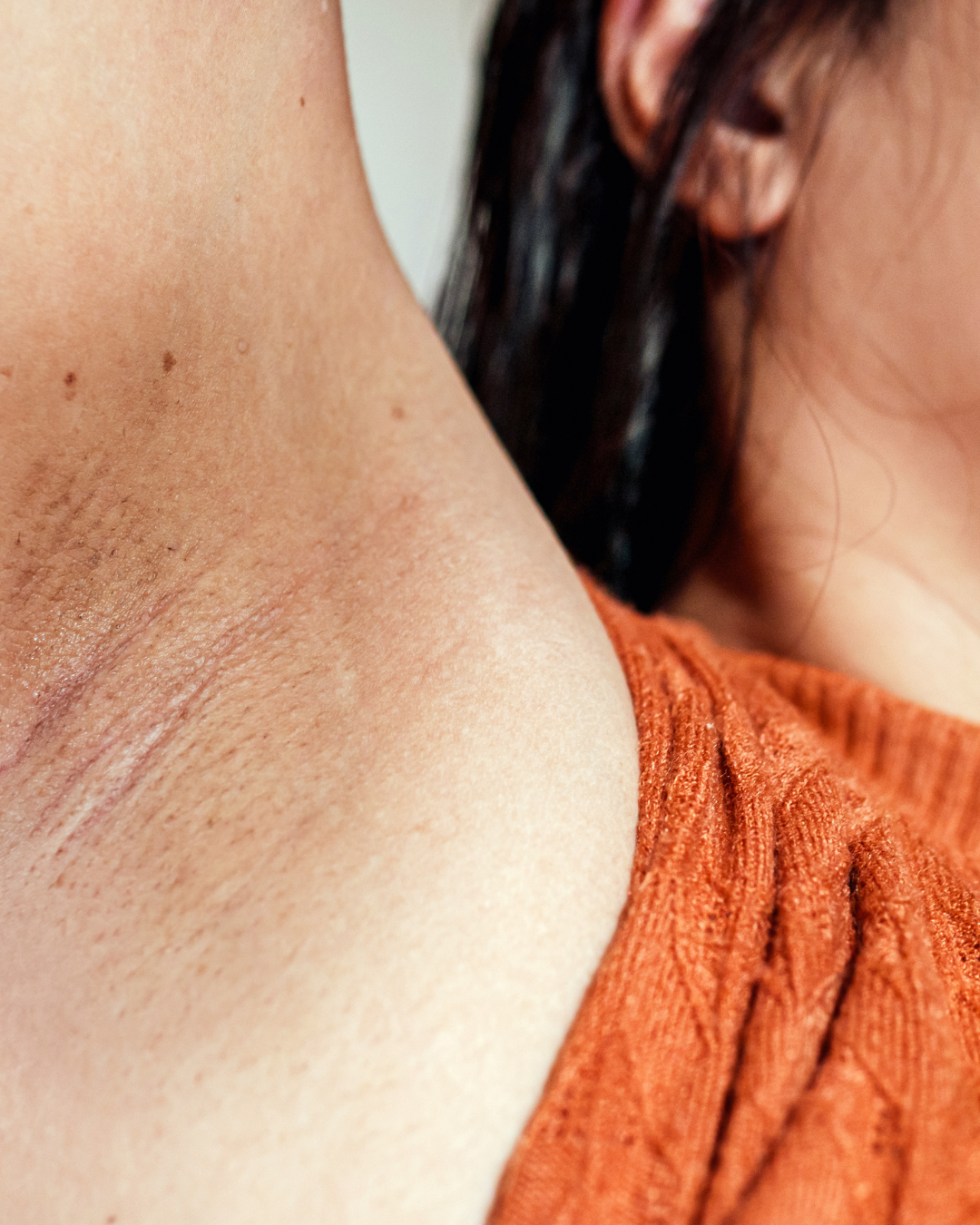
- Friction: Knees, elbows, and underarms darken from constant rubbing (tight clothing, shaving).
- Dryness: Ashy, dehydrated skin looks uneven and dull.
- Scarring: Old acne, cuts, or bug bites can leave hyperpigmentation behind.
- Hormones: Pregnancy or stress can ramp up melanin in areas like the neck or inner thighs.
Step 1: Exfoliate to Reveal Fresh Skin
Dead skin cells make dark patches look worse and skin feel rough. Exfoliation removes them, revealing the brighter layer underneath. Body skin is thicker than facial skin, so you can be a little bolder — but still moderate.
A simple DIY: mix two tablespoons of sugar with one tablespoon of honey, then massage onto damp skin in circular motions. The sugar buffs, the honey hydrates. Rinse off. Twice a week — any more risks irritation. For store-bought options, look for scrubs with coffee grounds or oatmeal.
Step 2: Brighten with Proven Natural Ingredients
- Vitamin C (topical): A well-researched brightener that fades hyperpigmentation. Topical serums in the 10–20% range work better than DIY lemon juice (which is too acidic and photosensitizing).
- Turmeric: Contains curcumin, which has demonstrated skin-brightening properties. Mix a teaspoon with yogurt or milk, apply as a paste, rinse after 15 minutes.
- Aloe vera: Soothes and supports skin healing. Fresh gel from the plant applied at night works well for irritated or recently exposed skin.
- Niacinamide: Reduces the appearance of dark spots and improves skin tone over weeks. Available in lotions and serums.
Patch test new ingredients first — natural doesn’t mean irritation-free.
Step 3: Hydrate for a Healthy Glow
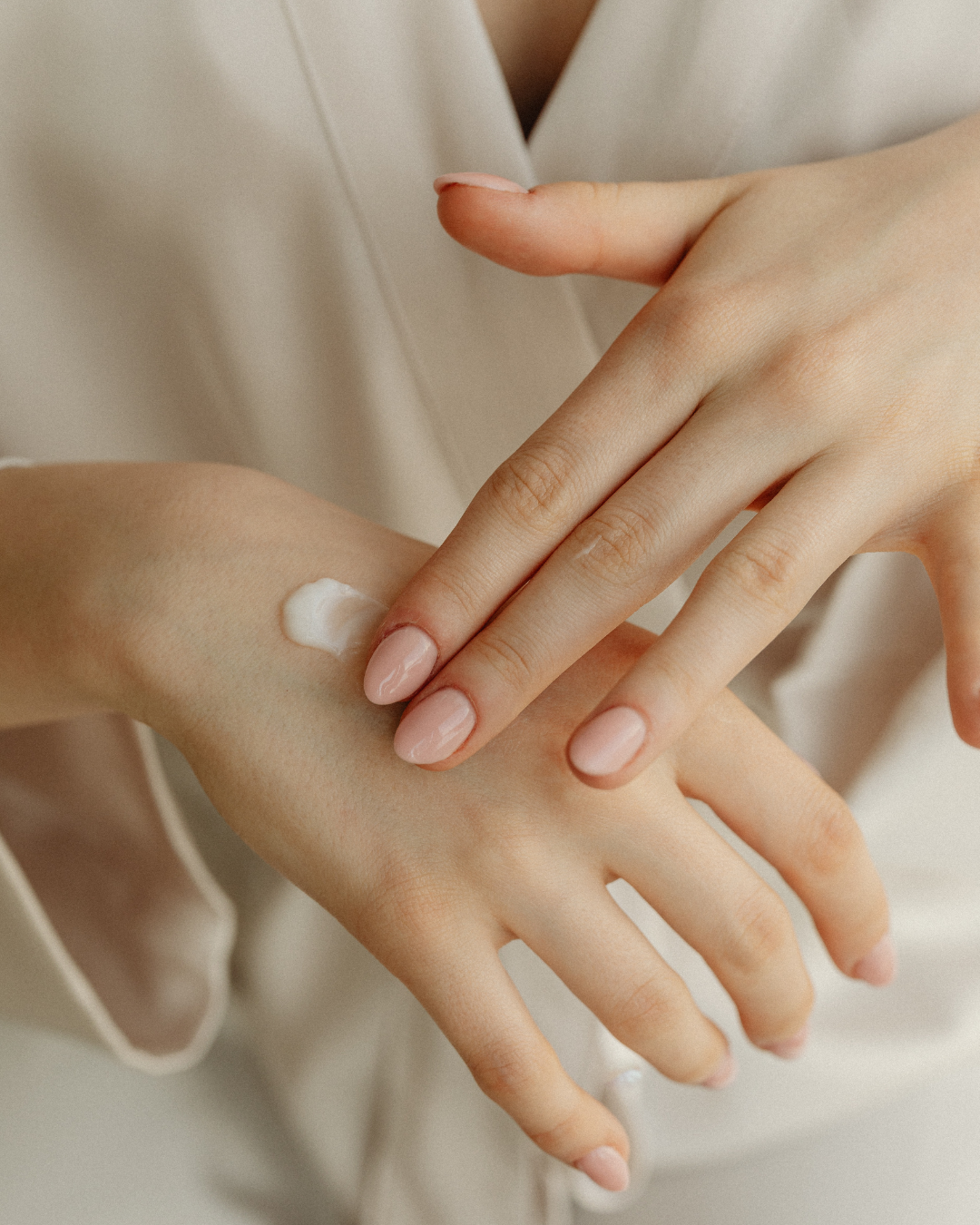
Dry skin looks dull and uneven, so hydration matters. Moisturizing locks in water, smooths texture, and helps your skin reflect light evenly. Look for lotions with shea butter, ceramides, glycerin, or squalane. Apply post-shower while skin is still damp to trap moisture. For very dry spots like knees or heels, layer on something thicker.
Step 4: Protect with Sunscreen
This is the single most important step. UV rays darken existing spots and create new ones, undoing all your hard work. Apply a broad-spectrum SPF 30 or higher every day on exposed body areas. For the body, lightweight lotions or sprays with zinc oxide work well — reapply every two hours when in direct sun.
Step 5: Weekly Targeted Mask
A weekly mask on trouble spots can speed brightening. A simple DIY: mix yogurt (contains lactic acid that gently exfoliates), a tablespoon of oatmeal, and a teaspoon of honey. Apply to discolored areas, wait 15 minutes, rinse. Store-bought masks with clay or vitamin C work too.
Lifestyle Habits That Help
- Water: Hydration supports skin function and dullness from within.
- Diet: Vitamin C-rich foods (citrus, berries, bell peppers) support collagen and skin repair.
- Sleep: Skin repairs itself overnight. Aim for 7–8 hours.
- Shower after sweating: Sweat plus friction can worsen dark patches.
What to Avoid
- Harsh soaps: Strip natural oils and can make tone look patchier.
- Over-exfoliating: More than twice a week damages your barrier.
- Skipping SPF: One sunburn can set progress back weeks.
- Undiluted lemon juice: Too acidic and photosensitizing — skip in favor of a stable vitamin C serum.
A Simple Weekly Routine
- Daily: Hydrate after showering, apply sunscreen on exposed skin.
- Nightly: Moisturize, spot-treat with niacinamide or vitamin C serum on discolored areas.
- Weekly: Exfoliate once or twice, apply a brightening mask.
Realistic Timeline
Results take time. Expect 4–8 weeks of consistency before noticeable change, and longer for stubborn spots. If you’re not seeing improvement after a few months, a dermatologist can offer tailored options (prescription tretinoin, hydroquinone, or in-office treatments).
Final Thoughts
Uneven skin tone responds well to consistency — gentle exfoliation, proven brightening ingredients, daily hydration, and sunscreen. It’s not about perfection, just steady improvement over weeks and months.