

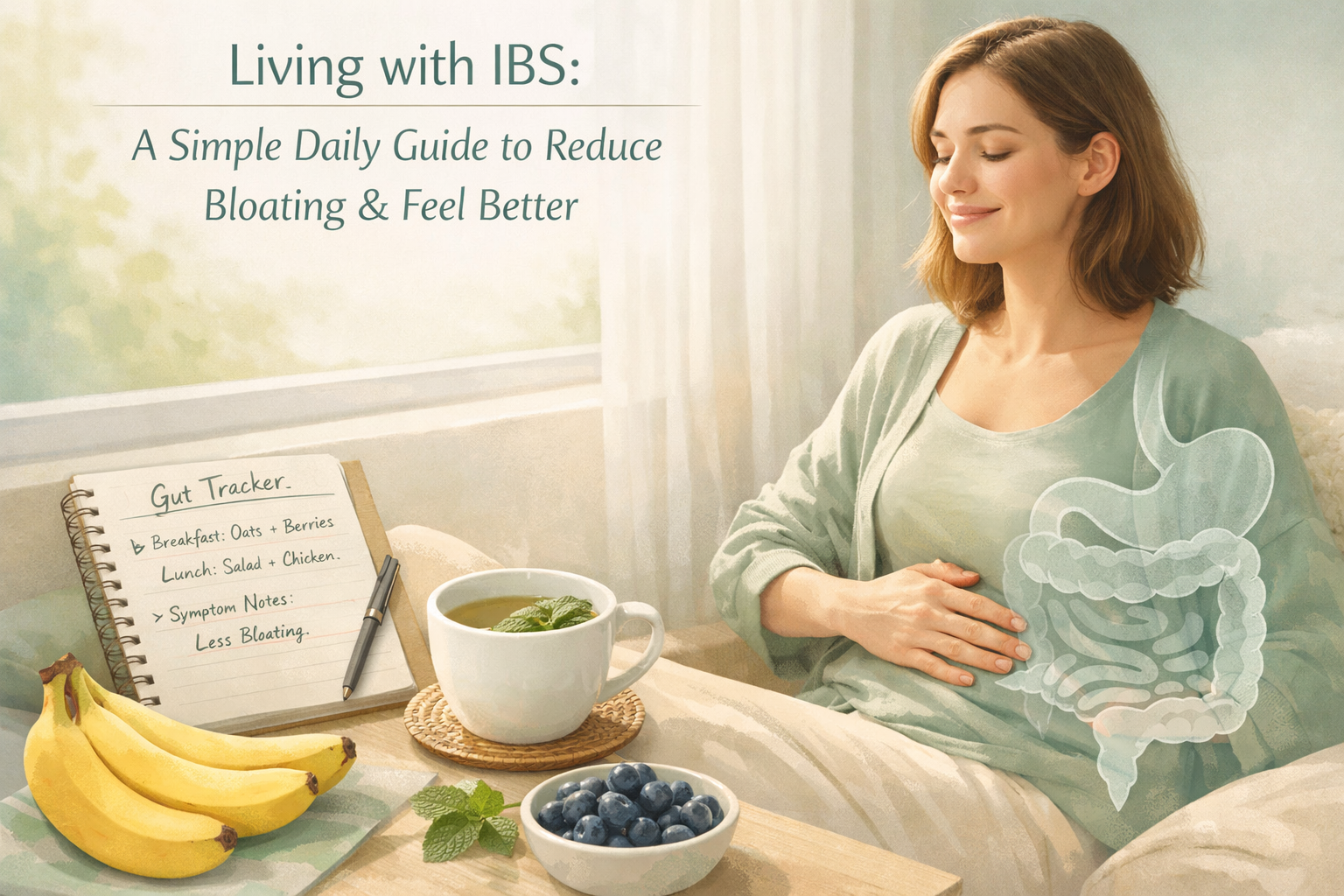
Living with IBS: A Simple Daily Guide to Reduce Bloating
Hey, if you’re dealing with IBS, I get it. Some days your stomach feels like it’s got its own agenda, tight, gassy, and uncomfortable, no matter what you do. You might skip plans because you’re worried about a sudden flare-up, or spend the afternoon tugging at your waistband, wondering why everything feels so bloated again. It’s exhausting, right? The cramps, the unpredictable bathroom trips, the way it steals your focus at work or with friends. But here’s the thing: you don’t have to “live with it” in silence. Small, consistent changes can make a real difference in how your gut behaves and how you feel day to day.
Living with IBS: A Simple Daily Guide to Reduce Bloating is exactly that: a down-to-earth companion that meets you where you are. No extreme diets or promises of a cure, just practical steps to ease bloating, support your gut health, and give you more good days than bad ones. We’ll talk about why this happens, how tracking your food can be a total game-changer, and exactly what to do from morning until night. By the end, you’ll have a clear plan that fits your real life and helps you feel more in control of your digestion.
What Actually Causes Bloating with IBS?
Bloating in IBS isn’t random; it’s your gut’s way of waving a flag. The muscles in your intestines might contract too strongly or too weakly, pushing food through too fast or too slow. Nerves in the gut can get extra sensitive, so even normal amounts of gas feel like a balloon inflating. Poor communication between your brain and your belly also plays a big part; stress or hormones can make everything more reactive.
Food intolerances often join the party. Certain carbs called FODMAPs don’t get fully absorbed in the small intestine, so they land in the colon where bacteria ferment them and create gas. Add in things like swallowing air while eating quickly, or meals that are too big or too fatty, and suddenly your belly feels swollen and tender. It’s not “all in your head,” but the gut-brain connection definitely makes symptoms feel louder.
The Mayo Clinic explains that these mixed signals and muscle changes are common in IBS and often lead to that familiar bloating and discomfort. If you want the full picture, their overview on irritable bowel syndrome is worth a look: https://www.mayoclinic.org/diseases-conditions/irritable-bowel-syndrome/symptoms-causes/syc-20360016.
The good news? Once you spot your personal triggers, you can dial them down and reduce bloating without feeling deprived.
Why Tracking Your Food Makes Such a Difference
Most of us eat without really noticing the details—until the symptoms hit a few hours later. A gut tracker flips that script. It helps you connect the dots between what you ate and how your body reacted. Maybe that lunchtime salad with onions and beans leaves you puffy by mid-afternoon. Or the evening pasta with garlic sauce brings cramps at night. Without notes, it all blends.
Tracking turns guesswork into patterns. You start seeing repeats: certain fruits, dairy, or even how fast you eat. It also shows what works—meals that leave you feeling steady and light. After a week, you’re not eliminating everything blindly; you’re making smart swaps based on your own data. That’s how people with IBS finally get ahead of the symptoms instead of always reacting to them.
How This Guide Helps, and That’s What’s Inside
This isn’t another overwhelming list of rules. Living with IBS: A Simple Daily Guide to Reduce Bloating is your gentle, practical companion for every day with IBS. It walks you through understanding your body, spotting triggers, building better habits, and having quick tools ready when things flare. Think of it as a friendly hand on your shoulder saying, “We’ve got this—one meal, one day at a time.”
Introduction to IBS
IBS is a disorder of how the gut and brain talk to each other. It’s incredibly common—millions deal with it—and it shows up as belly pain, changes in bowel habits, and yes, plenty of bloating. There’s no single cause, but a mix of sensitive nerves, gut bacteria shifts, past infections, stress, and yes, food reactions. The NHS points out that simple diet and lifestyle tweaks often help more than people expect: https://www.nhs.uk/conditions/irritable-bowel-syndrome-ibs/diet-lifestyle-and-medicines/.
The key is learning what your version of IBS looks like. Some folks lean toward constipation, others diarrhea, and many swing between both. Tracking helps you map your own pattern so you stop feeling surprised by your body.
Trigger Identification
Triggers are sneaky. Start by keeping a simple gut tracker (we’ll get to the 7-day version soon). Note meals, timing, stress, sleep, and symptoms. Common ones include high-FODMAP foods like wheat, onions, garlic, beans, apples, and artificial sweeteners. Caffeine, alcohol, and fatty or spicy meals can rev things up, too. Even stress or eating too quickly can trigger a response. The point isn’t to fear food—it’s to notice which ones consistently spark bloating or discomfort for you.
Foods to Eat vs. Avoid
No one-size-fits-all list exists, but certain choices tend to be kinder on IBS guts.
Gentler options to lean into:
- Oats, rice, quinoa
- Bananas, blueberries, strawberries (in moderation)
- Carrots, zucchini, spinach
- Eggs, chicken, fish
- Lactose-free dairy or small amounts of hard cheeses
- Ginger, peppermint, and fennel tea
Foods that often cause trouble (test and see):
- Wheat-based bread and pasta
- Onions, garlic, cauliflower
- Beans, lentils (unless soaked and rinsed well)
- Apples, pears, stone fruits
- Milk, soft cheeses, and ice cream
- Carbonated drinks, sugar-free gums with sorbitol
Start by swapping one or two at a time rather than overhauling everything. Many people find relief by lowering their overall FODMAP load without going extreme.
Quick Remedies for Bloating
When bloating hits, try these right away:
- Sip peppermint or ginger tea slowly—it calms gut muscles.
- Take a short, gentle walk to help move gas along.
- Try a few minutes of deep belly breathing: inhale for 4, hold for 4, exhale for 6.
- A warm heating pad on low across your belly can soothe cramps.
- Chew food extra slowly at the next meal to cut down on swallowed air.
Harvard Health shares some straightforward ways to ease that puffy feeling when IBS is involved: https://www.health.harvard.edu/healthy-aging-and-longevity/how-to-get-rid-of-bloating-tips-for-relief.
Emergency Flare-Up Guide
For those rough days:
- Stick to bland, easy-to-digest foods like plain rice, boiled potatoes, or toast.
- Stay hydrated with room-temperature water or herbal tea—small sips often.
- Rest in a quiet spot with your knees up to ease pressure.
- Over-the-counter simethicone can help break up gas bubbles (check with your doctor first).
- If pain is severe or you see blood, contact your GP right away—better safe than sorry.
Keep a “flare kit” ready: tea bags, a heating pad, and your symptom notes so you can review later.
Common Symptoms Guide
Beyond bloating, watch for:
- Crampy pain that eases after going to the bathroom
- Loose or hard stools, or both on the same day
- Feeling like you haven’t fully emptied
- Mucus in stool
- Fatigue that follows a bad gut day
Logging these alongside food helps you see the full picture of your digestion.
Daily Routine: Morning to Night
Morning: Start with warm water and lemon or ginger tea. Eat a calm breakfast—oatmeal with banana or eggs on toast. Move gently: a 10-minute walk or stretches.
Midday: Eat lunch at a table, not your desk. Chew well. Include protein and low-FODMAP veggies. Sip water steadily.
Afternoon: If energy dips or bloating creeps in, step outside for fresh air. Have a small snack like rice cakes with peanut butter if needed.
Evening: Wind down with a lighter dinner—grilled fish, rice, and spinach. Avoid eating within 2–3 hours of bed. Try 5 minutes of quiet breathing or journaling about what felt good that day.
Night: Keep a notepad by the bed for quick notes if symptoms wake you.
Consistency here trains your gut into better rhythms.
7-Day Gut Health Tracker
This is where things start clicking. Use the same simple log every day:
- Time and what you ate/drank (details matter)
- Bloating level (1–10) and other symptoms
- When symptoms started
- Stress, sleep, movement notes
Living with IBS: A Simple Daily Guide to Reduce Bloating shines when you fill this out honestly for a full week. Eat normally at first—just observe. By Day 7, you’ll spot your top triggers and safe foods. Duplicate the sheet or use a notes app. After the week, test one suspected food in a small portion and watch what happens. Many people cut their bloating episodes in half just by using this tracker regularly.
Lifestyle Tips That Support Your Gut
- Move daily—yoga, walking, or swimming all help motility.
- Manage stress: even short meditation apps make a difference because of that gut-brain link.
- Sleep 7–8 hours; poor rest worsens IBS.
- Stay hydrated but sip, don’t gulp with meals.
- Consider a probiotic (talk to your doctor) if your symptoms include lots of gas.
These habits compound over time and make gut health feel more stable.
You’ve made it this far, which means you’re already choosing to feel better. Living with IBS: A Simple Daily Guide to Reduce Bloating isn’t about perfection; it’s about progress you can actually keep up with. Start tomorrow with one small change: your morning tea, a quick symptom note, or that first tracker entry. Your gut will thank you, and so will your confidence when you walk out the door without worrying about the next bloat.
You’ve got the tools now. Use them kindly, track patiently, and celebrate the easier days. They add up faster than you think. Here’s to more comfort, more energy, and way fewer “I can’t today” moments. You deserve to feel good in your body again—one gentle day at a time.