

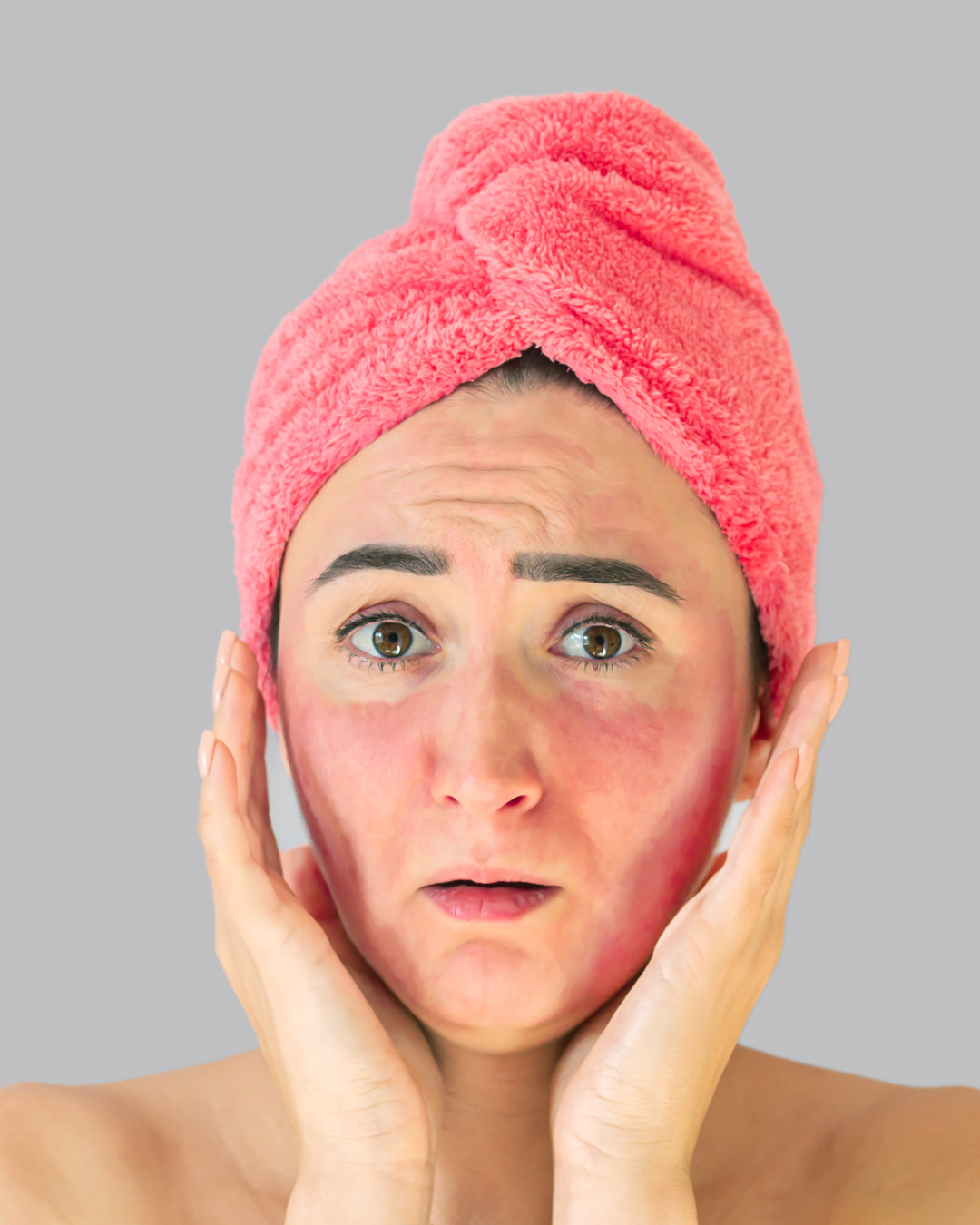
Sensitive skin can feel like a constant negotiation — one wrong product, one too-hot shower, one cold wind, and you’re dealing with redness, stinging, or that tight irritated feeling that won’t quit.
The good news: you don’t need a complicated routine to keep sensitive skin calm. You need a short list of gentle products, a few habits to dodge triggers, and the discipline to keep things simple even when influencers are pushing fifteen-step regimens. Here’s what works.
What Is Sensitive Skin?
Sensitive skin is reactive — it responds to triggers (weather, fragrances, friction, products) faster and more intensely than other skin types. It can stem from underlying conditions like rosacea or eczema, or it can be its own thing: a barrier that’s just thinner or more reactive than average.
Common signs of sensitive skin:
- Redness or flushing after eating, exercising, or temperature changes
- Stinging or burning when you apply products (especially actives)
- Tightness and dryness, even with moisturizer
- Visible reactions to fragranced products, alcohol-based toners, or wool fabrics
- Skin that feels rough, looks dull, or breaks out in small bumps
Identifying your specific triggers matters: keep a mental (or written) note of when flares happen. Common triggers include spicy food, alcohol, sun, fragranced products, harsh weather, stress, and certain ingredients (alcohol denat, sulfates, essential oils, strong acids).
If your sensitivity is severe, persistent, or accompanied by visible rashes, please see a dermatologist. Conditions like rosacea, perioral dermatitis, contact dermatitis, and eczema all benefit from proper diagnosis and prescription treatment.
Cleansing: Gentle Wins Every Time
Harsh soaps and foaming cleansers strip sensitive skin’s already-compromised barrier. Stick with creamy, fragrance-free, sulfate-free options:
- Cetaphil Gentle Skin Cleanser — basic, soothing, fragrance-free, widely available.
- Avene Extremely Gentle Cleanser — minimal ingredients, designed specifically for reactive skin.
- La Roche-Posay Toleriane Hydrating Gentle Cleanser — prebiotic thermal water, very mild.
- Vanicream Gentle Facial Cleanser — free of dye, fragrance, lanolin, parabens, and sulfates.
Wash twice daily with lukewarm water (hot water is a common flare trigger). Use clean hands, not a washcloth or brush. Pat dry with a soft towel — don’t rub.
If your skin is having a particularly reactive day, you can skip the morning cleanse entirely and just rinse with lukewarm water.
Moisturizing: Barrier Repair Is the Goal
Sensitive skin almost always has a compromised barrier — which means moisture escapes more easily and irritants get in more easily. The right moisturizer rebuilds that barrier rather than just sitting on top of it.
Look for:
- Ceramides — the lipids your barrier is made of
- Niacinamide — calms redness and supports barrier function
- Hyaluronic acid and glycerin — humectants that draw water in
- Panthenol (vitamin B5) — soothing and reparative
- Squalane — non-comedogenic emollient
Avoid:
- Fragrance (including “natural” essential oils)
- Alcohol denat (drying)
- Strong actives in a moisturizer (retinoids, AHAs, BHAs)
Reliable options:
- CeraVe Daily Moisturizing Lotion — ceramides and hyaluronic acid, lightweight finish.
- La Roche-Posay Toleriane Double Repair Face Moisturizer — niacinamide for redness, ceramides for barrier.
- Vanicream Daily Facial Moisturizer — minimalist, ultra-gentle.
- Avene Tolerance Control Soothing Skin Recovery Cream — designed for hyper-reactive skin.
Apply to slightly damp skin, morning and night.
Sunscreen: Mineral Filters Are Usually Best
UV exposure makes sensitive skin worse — it triggers redness, breaks down the barrier, and can flare conditions like rosacea. Daily SPF is non-negotiable.
For sensitive skin, mineral sunscreens (zinc oxide and titanium dioxide) tend to be better tolerated than chemical filters because they sit on top of skin rather than being absorbed.
- EltaMD UV Clear Broad-Spectrum SPF 46 — zinc oxide-based, niacinamide for redness, dermatologist favorite.
- Avene Mineral Light Hydrating Sunscreen SPF 50+ — pure mineral filters, gentle for very reactive skin.
- Blue Lizard Sensitive SPF 30+ — mineral, fragrance-free, paraben-free.
- La Roche-Posay Anthelios Mineral SPF 50 — non-comedogenic, gentle on rosacea.
Apply every morning, regardless of weather. Reapply every 2 hours if you’re outside.
Treatments: Less Is More
Exfoliation
Most sensitive skin doesn’t need exfoliation at all. If you do exfoliate, do it sparingly — once every 1–2 weeks max — and use the gentlest chemical exfoliant:
- The Ordinary Lactic Acid 5% + HA — mild AHA, hydrating, well-tolerated.
- PHA (polyhydroxy acid) products — larger molecules, less penetration, gentler than AHAs.
Skip physical scrubs entirely. They cause micro-tears and worsen sensitivity.
Serums (Optional)
If you want to add a serum, stick to soothing actives:
- The Inkey List Niacinamide Serum (10%) — calms redness, supports barrier.
- La Roche-Posay Hyalu B5 Serum — hyaluronic acid plus vitamin B5, very gentle.
- Centella asiatica (cica) serums — soothing, evidence-based for redness reduction.
Introduce one serum at a time. Patch-test for 24 hours before applying to your whole face.
Soothing Masks
Once a week, if your skin tolerates them:
- First Aid Beauty Ultra Repair Oatmeal Mask — oats and shea butter calm irritation.
- Avene Soothing Moisture Mask — hydrating, designed for sensitive skin.
Habits That Help Sensitive Skin
Patch Test Everything
Before applying any new product to your face, dab a small amount on the inside of your wrist or behind your ear and wait 24 hours. If it stings, breaks out, or causes any redness, don’t use it on your face. This one habit prevents most sensitive-skin disasters.
Change Your Pillowcase Often
Sweat, oil, hair products, and dust mites build up faster than people realize. Change pillowcases every 3–4 nights. Use fragrance-free laundry detergent.
Watch Diet Triggers
Spicy foods, alcohol, hot drinks, and high-sugar foods can trigger flushing and redness in sensitive skin (especially rosacea). You don’t need to eliminate them, but notice patterns and reduce what consistently sets you off.
Manage Stress
Stress hormones directly affect skin barrier function and inflammation. Stress flares are real. Movement, sleep, and even brief breathing exercises help.
Layer Wisely in Cold Weather
Cold air outside + hot indoor heating = a dehydration cycle that wrecks sensitive skin. Use a humidifier indoors, and bundle up your face with a scarf in extreme cold.
When Your Skin Is Flaring: The Reset Routine
When sensitive skin is actively reacting — red, stinging, burning, peeling — strip your routine back to basics:
- Skip all actives. No retinoids, no acids, no vitamin C.
- Rinse with cool water only for 1–2 days, or use the gentlest cleanser briefly.
- Apply a barrier-repair moisturizer like CeraVe Healing Ointment or Aquaphor in a thin layer.
- Mineral SPF in the morning — non-negotiable, even on flare days.
- Give it 3–5 days to settle before reintroducing anything.
If a flare doesn’t settle within a week, or if it’s severe (significant swelling, oozing, painful), see a dermatologist. Self-treating ongoing dermatitis with skincare doesn’t fix it.
A Simple Daily Routine
Morning:
- Rinse with lukewarm water (or gentle cleanser if you wore SPF heavily the day before)
- Soothing serum (niacinamide or hyaluronic acid) — optional
- Barrier-repair moisturizer
- Mineral SPF 30+
Evening:
- Gentle cleanser
- Soothing serum — optional
- Barrier-repair moisturizer
That’s it. Sensitive skin thrives on consistency and simplicity, not complexity.
Final Thoughts
Sensitive skin doesn’t have to be a battle. Gentle cleansing, barrier-repair moisturizing, mineral SPF, and the discipline to avoid trigger ingredients cover most of what matters. Add a soothing serum or weekly mask if your skin tolerates them. Skip everything else.
Listen to your skin. It tells you what’s working and what isn’t, usually within a day or two. The fewer products you use, the easier it is to figure out which one is helping versus hurting.