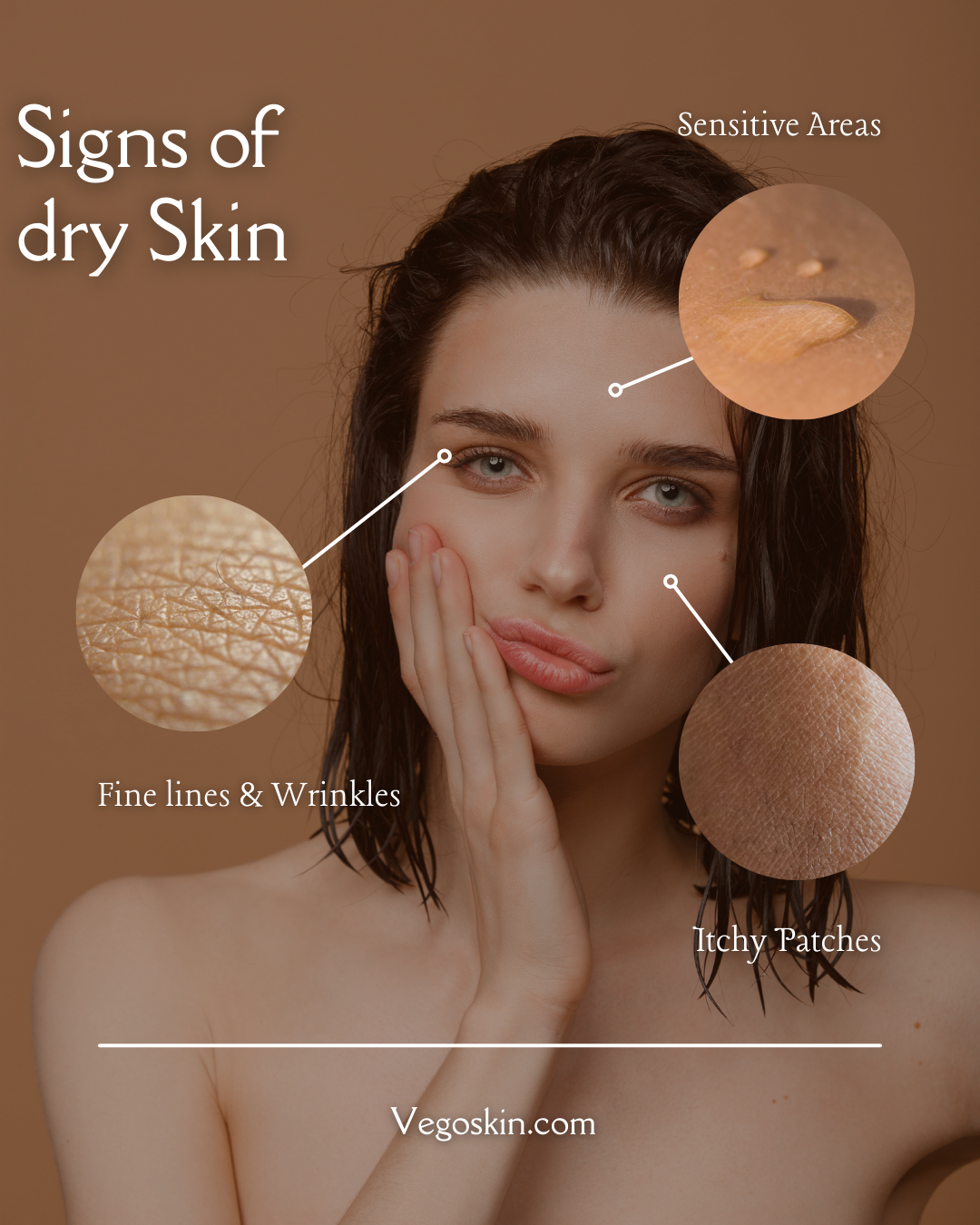

“Sensitive skin” isn’t really one thing. It’s a cluster of symptoms — stinging, burning, redness, tightness — that can come from a damaged barrier, rosacea, allergic reactions, eczema, or simply over-doing your skincare. Surveys consistently show that nearly half of adults describe their skin as sensitive, even though objectively diagnosed sensitive-skin syndrome is much less common.
Here’s what’s actually going on, what to look for and avoid in your products, how to build a barrier-supportive routine, and when symptoms warrant a dermatologist instead of yet another product.
The short answer: Sensitive skin reacts with stinging, burning, itching, tightness, or redness to things that shouldn’t normally cause those reactions — cosmetics, water, weather, fragrance. The most effective approach is barrier repair: minimal active ingredients, fragrance-free formulas, and moisturizers built around ceramides, niacinamide, and panthenol.
What’s Actually Causing Your Sensitive Skin
Most sensitive skin comes down to barrier dysfunction. Your skin’s outer layer is held together by a brick-and-mortar structure: skin cells (the bricks) and lipids — ceramides, cholesterol, and fatty acids (the mortar). When that lipid layer gets depleted, four things happen:
- Your skin loses water faster — and dehydrates more easily
- It becomes more permeable — irritants and allergens get further in
- Nerve endings get reactive — what should feel neutral starts to sting
- Inflammation kicks in — visible redness and persistent low-grade flare
Common triggers that compound the problem:
- Over-exfoliation (acids, scrubs, retinoids stacked together)
- Harsh sulfates and alkaline cleansers
- Fragrance — both synthetic and essential oils
- Denatured alcohol at high concentrations
- Cold weather, low humidity, wind
- Hot water and excessive washing
A 2025 study in Scientific Reports showed that niacinamide enhances how much water your skin holds onto and acts as a plasticizer to keep the keratin structure flexible — both directly helpful for compromised sensitive skin.
Sensitive-Skin-Friendly vs Trigger Ingredients
| Category | Favor (well-tolerated) | Use with caution | Avoid in flares |
|---|---|---|---|
| Hydrators | Glycerin, hyaluronic acid, panthenol | Urea, low-% lactic acid | High-% AHAs |
| Barrier repair | Ceramides, cholesterol, niacinamide | — | — |
| Soothing actives | Centella asiatica, oat, allantoin, panthenol, bisabolol | Aloe (some are alcohol-heavy) | Witch hazel, menthol |
| Anti-aging | Bakuchiol, peptides, low-% niacinamide | Encapsulated retinol 0.1%, retinaldehyde 0.05% | Tretinoin, high-% retinol |
| Acne | Azelaic acid 10%, low-pH BHA wash-off | Salicylic acid leave-on | Benzoyl peroxide 5%+, alcohol toners |
| Surfactants | Amino-acid-based, glucoside | Cocamidopropyl betaine | Sodium lauryl sulfate (SLS) |
| Fragrance | Fragrance-free | Naturally derived essences | Parfum, essential oils, menthol, camphor |
| Sun protection | Mineral (zinc oxide, titanium dioxide) | Modern chemical filters (Tinosorb) | Oxybenzone, fragranced SPF |
The Sensitive-Skin Routine, Stripped Down
The most effective sensitive-skin routine is the one with the fewest products. Three steps morning, three steps evening — no more.
Morning
- Rinse with lukewarm water or a non-foaming cream cleanser if needed.
- Hydrating serum + moisturizer: niacinamide 2–5% or hyaluronic acid, sealed with a ceramide moisturizer.
- Mineral SPF 30+: zinc oxide or titanium dioxide, fragrance-free.
Evening
- Gentle cleanse with an amino-acid- or glucoside-based cleanser. Skip if you didn’t wear SPF or makeup.
- Repair serum: niacinamide, panthenol, or centella asiatica.
- Barrier moisturizer: ceramides + cholesterol + fatty acids. A 2024 randomized controlled trial found a ceramide-and-niacinamide moisturizer significantly improved tolerability when added to acne treatment.
Optional, only when calm
Add one active at a time, two to three times per week, and wait two weeks before adding another. Bakuchiol, low-strength niacinamide, or azelaic acid are usually well-tolerated. If introducing a retinoid, choose encapsulated retinol 0.1% or retinaldehyde 0.05%, and buffer it inside two layers of moisturizer.
What “Fragrance-Free” Actually Means
Fragrance is one of the most common contact allergens dermatologists identify. Two label distinctions matter:
- “Fragrance-free” means no fragrance ingredients added. This is what you want.
- “Unscented” often means a masking fragrance has been added to neutralize the smell of other ingredients — and it can still trigger reactions.
“Natural fragrance” or essential oils aren’t safer for sensitive skin. Limonene, linalool, citral, and geraniol — all components of citrus and floral essential oils — are recognized contact allergens. If your skin is reactive, treat all fragrance the same: avoid it.
The Patch Test Protocol
Before adding any new product to a sensitive-skin routine:
- Apply a small amount to the inside of your forearm or behind your ear.
- Wait 24 hours. Check for redness, itching, or stinging.
- If clear, apply once daily to the side of your jaw for three days.
- If still clear, integrate it into your full routine.
This adds a week to the process — and saves weeks of recovery if a product turns out to be the wrong fit.
When to See a Dermatologist Instead of Trying Another Product
If your sensitive skin doesn’t improve with a stripped-down barrier routine over 4–6 weeks, it might be something else:
- Rosacea — persistent central facial redness, visible blood vessels, and flushing triggered by heat, alcohol, or spicy food
- Atopic dermatitis (eczema) — itchy, inflamed patches, often on flexural surfaces, frequently with a personal or family history of allergy
- Allergic contact dermatitis — well-defined patches matching a specific contact (jewelry, fragrance, hair dye); diagnosable with patch testing
- Seborrheic dermatitis — flaky, itchy redness around the nose, brow, and scalp
- Perioral dermatitis — small bumps around the mouth, often triggered by topical steroids or heavy occlusives
These conditions need diagnosis and often prescription treatment. The American Academy of Dermatology and the National Eczema Association are reliable starting points for patient information.
5 Common Mistakes
1. Adding products to “fix” sensitive skin. Subtraction is the answer. Most reactive skin needs fewer products, not more.
2. Trusting “for sensitive skin” labeling. The phrase is unregulated. A product labeled for sensitive skin can still contain fragrance, essential oils, or alcohol.
3. Stopping moisturizer because skin “feels oily.” Sensitive, dehydrated skin overcompensates with oil. Moisturizing rebalances it; skipping moisturizer makes things worse.
4. Reintroducing actives too quickly after a flare. Your barrier takes 2–4 weeks to repair. Wait until your skin is fully calm before adding anything new.
5. Hot water. Hot showers and face washing strip your barrier faster than any active. Lukewarm water only.
Frequently Asked Questions
What ingredients should I avoid for sensitive skin?
The most common triggers are fragrance (synthetic and essential oils), denatured alcohol at high levels, sulfates like sodium lauryl sulfate, menthol, camphor, witch hazel, and high-percentage AHAs or BHAs. Reactions vary between people, so patch testing is the only reliable way to identify your personal triggers. Fragrance-free, simple formulas are the safest starting point.
Can I use retinol if I have sensitive skin?
Yes — with the right formulation and pacing. Start with encapsulated retinol 0.1% or retinaldehyde 0.05%, applied two nights per week, buffered between moisturizer layers. If your skin tolerates that for four weeks, increase to three nights weekly. Bakuchiol is a plant-derived alternative often better tolerated by very reactive skin. See our retinaldehyde vs retinol guide.
Why is my skin suddenly sensitive when it never was before?
New sensitivity usually points to a barrier issue, not a true skin-type change. Common causes: over-exfoliation, switching to a harsher cleanser, hormonal shifts (pregnancy, perimenopause, menopause), low-humidity environments, or new medications. Pause active ingredients, simplify your routine to cleanser plus barrier moisturizer plus SPF for 2–4 weeks, and reassess.
Is sensitive skin the same as allergic skin?
No. Sensitive skin is a subjective response — stinging, burning, redness — to things that shouldn’t cause those reactions. Allergic skin involves an immune-mediated response to a specific allergen, which can be confirmed with patch testing. Both can coexist. If you have well-defined eczema-like patches that match a specific exposure, see a dermatologist for proper allergy testing.
Are essential oils safer than synthetic fragrance for sensitive skin?
No. Essential oils are concentrated plant compounds and are among the most common contact allergens dermatologists identify. Limonene, linalool, citral, and geraniol — found in many citrus and floral essential oils — are well-documented allergens. For reactive skin, treat all fragrance the same, natural or synthetic: avoid it.
How long until I see improvement?
Visible redness reduction often appears within 7–14 days of removing triggers and adding barrier-supportive ingredients. Full barrier recovery typically takes 4–6 weeks. If your skin hasn’t improved after 6 weeks of a minimalist barrier routine, see a dermatologist to rule out rosacea, eczema, or contact dermatitis.
The Bottom Line
The most effective sensitive-skin routine is the simplest: a mild fragrance-free cleanser, a barrier-supportive moisturizer with ceramides and niacinamide, and mineral SPF. Add actives slowly, one at a time, only when your skin is calm — and accept that consistency over months matters far more than any single product. If a stripped-down routine doesn’t bring improvement in 4–6 weeks, the issue is probably not “sensitive skin” but a treatable condition that deserves professional diagnosis.
Sources & Further Reading
- Niacinamide and Stratum Corneum Hydration (Scientific Reports, 2025)
- Ceramide-and-niacinamide moisturizer in acne treatment (J Cosmet Dermatol, 2024)
- Polymeric Surfactant Cleanser for Sensitive Skin (J Drugs Dermatol, 2024)
- American Academy of Dermatology — Atopic Dermatitis
- National Eczema Association
Last updated: May 6, 2026. For informational purposes only — not a substitute for professional dermatological advice. Persistent redness, burning, or itching warrants evaluation by a board-certified dermatologist.