
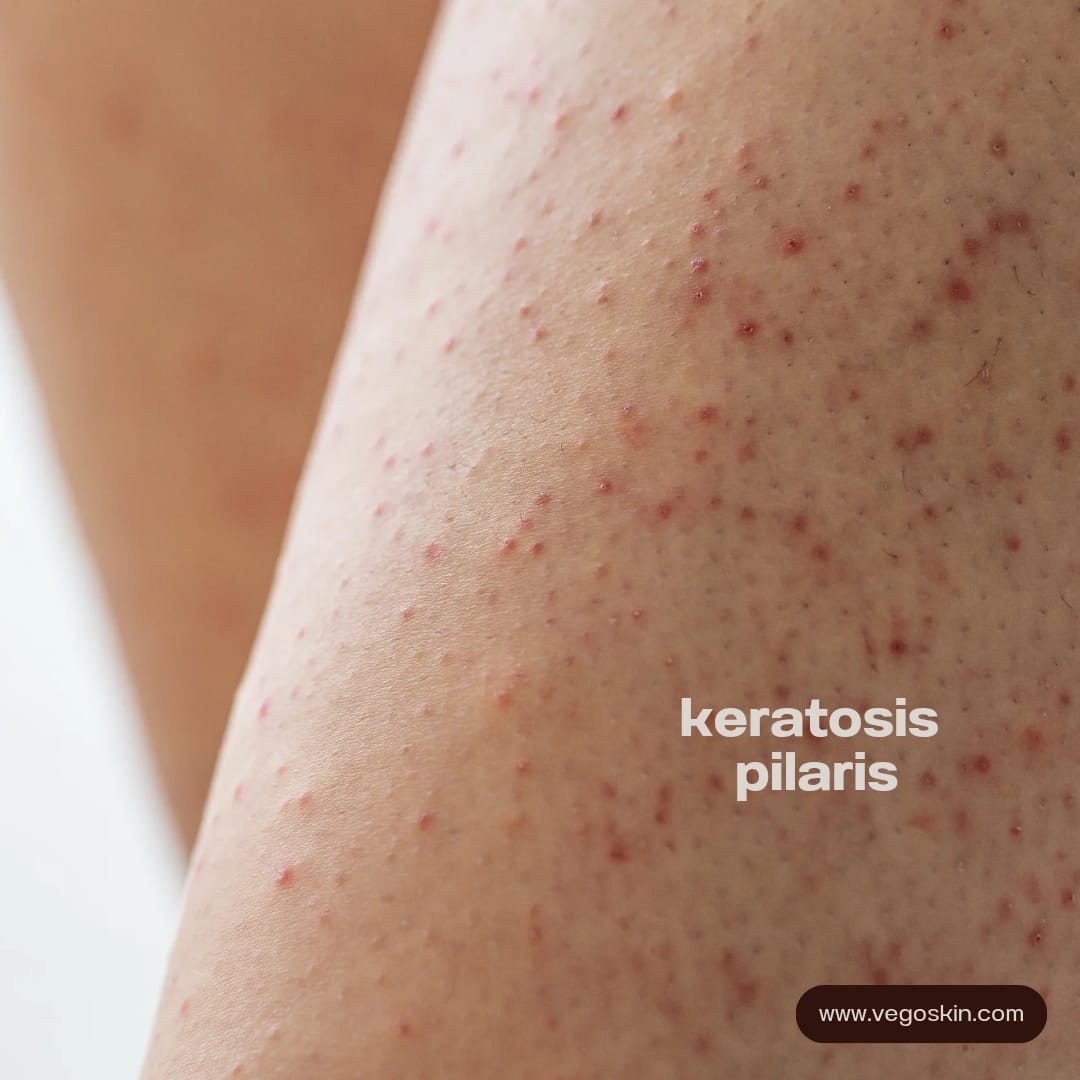
If you’ve ever noticed small, rough bumps on your arms, thighs, or cheeks that resemble goosebumps or a sandpaper texture, you might be dealing with keratosis pilaris (KP). It’s one of the most common skin conditions there is, yet it’s frequently mistaken for acne or other issues. Here’s what KP actually is, why it’s so widespread, and how to manage it.
What Is Keratosis Pilaris?
Keratosis pilaris is a benign condition marked by small red, white, or skin-colored bumps, usually on the upper arms, thighs, buttocks, or face. They’re caused by a buildup of keratin — a protein that protects the skin — clogging hair follicles. The result is a rough, bumpy texture that’s completely harmless but can feel or look bothersome.
According to the American Academy of Dermatology, KP affects up to 40% of adults and 50–80% of adolescents. It’s often nicknamed “chicken skin” for its resemblance to plucked poultry. It tends to flare in colder, drier months and improve in warm, humid weather.
Why Is It So Common?
Genetics
KP runs in families. If one or both parents have it, you’re more likely to as well. It’s linked to gene variations affecting keratin production, which is why it’s so prevalent across generations.
Dry Skin and Eczema
People with dry skin or eczema (atopic dermatitis) are more prone to KP. A compromised skin barrier lets keratin build up more easily — and since dry skin is so common, especially in winter, KP follows.
Age and Hormones
KP is most common in children and adolescents but can persist into adulthood. Hormonal changes during puberty, pregnancy, and menopause can worsen it by affecting cell turnover and oil production.
Environment
Cold, dry air and frequent hot showers strip moisture from the skin, making KP more noticeable. Seasonal climate swings drive the typical flare pattern.
Symptoms and How It’s Diagnosed
The hallmark is small, rough bumps — red, white, or skin-colored — that are usually painless but can itch when skin is dry. Common spots:
- Upper arms
- Thighs
- Buttocks
- Cheeks (especially in children)
Unlike acne, KP doesn’t involve pus-filled pimples or blackheads — the bumps are keratin plugs, not infected or clogged pores. Because it can resemble acne or folliculitis, a proper diagnosis matters. Most dermatologists can identify KP on sight; rarely, a biopsy rules out other conditions. The Mayo Clinic’s guide is a good reference.
How to Manage It
There’s no cure, but several strategies meaningfully smooth the skin and reduce the bumps.
1. Moisturize Consistently
Hydration is the foundation. Look for thick, fragrance-free moisturizers with:
- Ceramides — restore the skin barrier
- Urea — softens and exfoliates keratin buildup
- Hyaluronic acid — locks in moisture
CeraVe SA Cream and AmLactin Daily Moisturizing Lotion are dermatologist favorites for KP. Apply within five minutes of showering to trap moisture.
2. Gentle Chemical Exfoliation
Exfoliating removes dead skin and keratin plugs — but gently. Use chemical exfoliants, not scrubs:
- Lactic acid — breaks down keratin and hydrates
- Salicylic acid — unclogs follicles, reduces redness
- Glycolic acid — smooths surface texture
The Ordinary Lactic Acid 10% + HA is a good gentle option. Avoid harsh physical scrubs — they irritate and worsen KP.
3. Humidify Your Home
Dry air aggravates KP. A humidifier (keeping indoor humidity around 30–50%) helps, especially in winter.
4. Adjust Your Showers
Hot water strips natural oils. Use lukewarm water, keep showers under 10 minutes, and switch to a gentle fragrance-free cleanser.
5. Medical Treatments for Severe Cases
A dermatologist may recommend:
- Topical retinoids (like tretinoin) to promote cell turnover
- Laser therapy to reduce redness, especially on the face
- Chemical peels to smooth texture
Always consult a dermatologist before starting prescription treatments. The Cleveland Clinic has detailed treatment information.
6. Supportive Lifestyle Habits
A diet rich in omega-3s and vitamins A and E, plus good hydration, supports overall skin resilience. Diet won’t cure KP, but it helps your skin’s general health.
Common Myths
- “KP is caused by poor hygiene.” False — it’s genetic, not dirt. Overwashing actually worsens it.
- “You can scrub it away.” No — harsh scrubbing irritates skin and makes KP more visible. Gentle exfoliation is the way.
- “It always disappears with age.” It often improves after adolescence, but many adults still have it.
When to See a Dermatologist
If over-the-counter treatments don’t help, or if KP is causing significant distress, a dermatologist can assess your skin, recommend personalized treatment, and rule out other conditions.
The Bottom Line
Keratosis pilaris is harmless, extremely common, and manageable. Consistent moisturizing, gentle chemical exfoliation, a humidified environment, and lukewarm showers smooth most cases over time. For stubborn KP, a dermatologist has stronger options.
It’s worth keeping expectations realistic: KP rarely disappears completely, but it can be reduced substantially with patience and consistency. And given how common it is, it’s nothing to be self-conscious about — millions of people have exactly the same skin.