

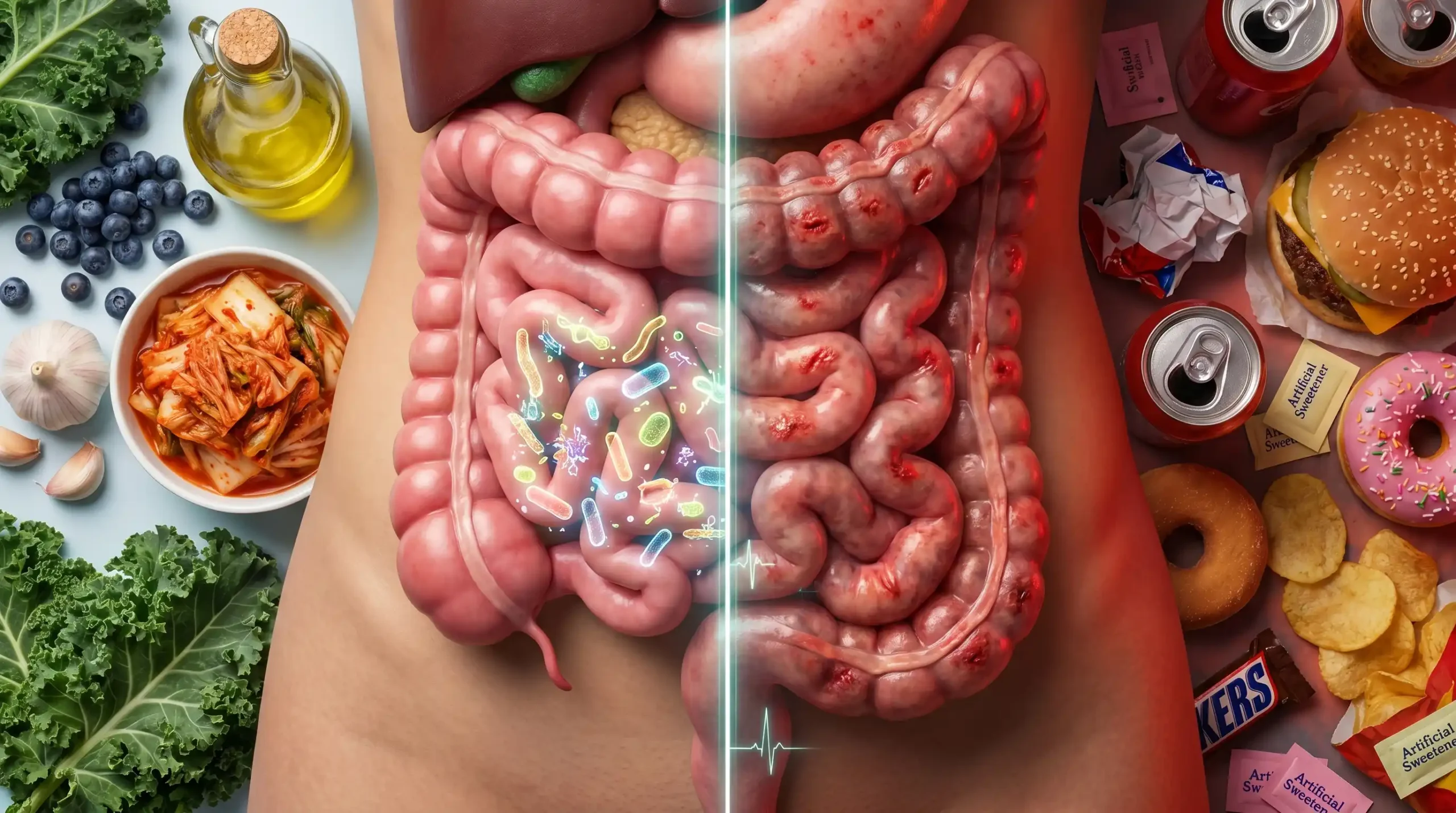
You’ve heard “you are what you eat” a thousand times, but few of us realize how literally true it is when it comes to gut health. Your digestive tract is home to trillions of microbes that shape digestion, immunity, hormones, mood, energy, and even how you respond to stress. And many everyday foods — including some considered “healthy” — are quietly undermining that ecosystem.
The damage isn’t always from the obvious junk food. Some of the worst offenders are products marketed as low-calorie, low-fat, or “gut-friendly.” Over time, they reduce microbial diversity, trigger low-grade inflammation, and contribute to bloating, fatigue, and irregular digestion.
This guide walks through the foods with the strongest evidence for damaging gut health, what to swap them with, and how to start tracking your own response so you know what’s affecting you personally.
This is general guidance, not medical advice. If you have ongoing digestive symptoms, talk to a gastroenterologist or registered dietitian — conditions like SIBO, IBD, celiac, and food allergies need proper diagnosis.
Why Gut Health Matters More Than Most People Realize
Your gut microbiome is a dense ecosystem of bacteria, fungi, and other microbes living mostly in your large intestine. The beneficial ones break down food, manufacture vitamins (including most of your vitamin K and several B vitamins), regulate immune function, and communicate with your brain through the gut–brain axis.
When this balance tips toward harmful bacteria or loses diversity — a state called dysbiosis — problems start to surface. The early signs are often subtle: stubborn bloating, brain fog, frequent colds, mood changes, weight that won’t budge despite effort. Over years, chronic dysbiosis is linked to IBS, inflammatory bowel disease, metabolic issues, and broader inflammatory conditions.
The encouraging part: the microbiome responds remarkably fast to dietary change. Studies have shown measurable shifts in bacterial composition within days of changing what you eat. Damage isn’t permanent if you address the causes.
1. Ultra-Processed Foods
Ultra-processed foods (UPFs) dominate supermarket shelves: packaged snacks, sugary cereals, frozen meals, sodas, fast food. They’re engineered for shelf life and craveability, not for your gut.
These products are typically low in fiber (the fuel beneficial bacteria need) and high in additives, emulsifiers, refined sugars, and inflammatory fats. Research has linked high UPF intake to reduced beneficial bacteria, increased intestinal inflammation, and weakened gut barrier function — which has been associated with elevated risk of Crohn’s disease and other gut conditions.
Emulsifiers like carboxymethylcellulose and polysorbate 80 — common in ice creams, dressings, and many processed foods — have been shown in animal studies to disrupt the mucus layer that protects the intestinal lining. The human evidence is still building, but the mechanism is concerning enough that minimizing exposure makes sense.
For more reading, see Harvard Health’s gut health overview and Mayo Clinic’s guidance on beneficial gut bacteria.
2. Added Sugars and Refined Carbs
Table sugar, high-fructose corn syrup, and refined grains (white bread, pastries, most breakfast cereals) act like fertilizer for less desirable bacteria and yeasts. Excess sugar promotes inflammation and reduces microbial diversity — diversity being one of the strongest markers of a healthy gut.
When bacteria ferment large amounts of refined sugar rapidly, they produce gas and acids that irritate the gut lining. Chronic high intake also links to metabolic issues that loop back to worsen gut function.
Swap refined carbs for whole grains, fruits, and vegetables. Oats, bananas, leeks, asparagus, and garlic are particularly rich in prebiotic fibers that nourish beneficial bacteria.
3. Artificial Sweeteners
Diet sodas, sugar-free gum, and “lite” products seem like smart choices, but artificial sweeteners — aspartame, sucralose, saccharin — can shift the microbiome in problematic ways.
Research has shown some artificial sweeteners may induce glucose intolerance by altering bacterial populations, even without calories. They appear to reduce some beneficial bacteria while allowing others to flourish, which can increase inflammation.
The response varies between people (individual microbiomes react differently), but the evidence suggests caution with heavy use. Natural alternatives include small amounts of honey or maple syrup, whole fruit, or stevia in moderation.
4. Alcohol
Occasional drinking — particularly red wine in small amounts — provides some polyphenols that may benefit gut bacteria. But regular or heavy drinking disrupts microbial balance significantly. Alcohol decreases helpful bacteria, increases harmful species, and raises intestinal permeability (sometimes called “leaky gut”), allowing bacterial byproducts to cross into the bloodstream.
This drives systemic inflammation and is one of the more reliably damaging influences on gut health. If you drink, pair it with fiber-rich meals, stay well hydrated, and consider alcohol-free days. Many people notice noticeably better digestion when they cut back even modestly.
5. Fried Foods and Inflammatory Fats
Deep-fried foods and heavy intake of saturated and trans fats from processed meats slow digestion and promote pro-inflammatory bacteria. Trans fats, in particular, generate compounds during cooking that stress the gut lining.
Switch to olive oil, avocados, nuts, and fatty fish for healthier fat sources. Grilling, baking, steaming, or roasting preserves gut-friendly food qualities better than deep-frying.
6. Dairy (for Sensitive People)
Lactose intolerance is common — most adults worldwide have reduced lactase production after childhood. Sensitivity to casein (milk protein) affects others. High-fat dairy can slow digestion and cause bloating in sensitive guts.
Fermented dairy with live cultures — yogurt, kefir — can actually help by adding probiotic bacteria, and many lactose-intolerant people tolerate it better than milk. Plant-based alternatives (almond, oat, soy) work for others, though watch for added gums and emulsifiers in those products. Your tolerance is personal — pay attention to your own response rather than assuming you must avoid all dairy.
7. Red and Processed Meats
High intake of red meat and cured or processed meats is associated with microbiome shifts that favor bacteria linked to inflammation, and with reduced diversity overall. Processed meats (hot dogs, deli meats, bacon, sausage) carry additional concerns from nitrates, preservatives, and high sodium.
Balance with plant proteins — beans, lentils, tofu, tempeh. When you do eat meat, smaller portions, grass-fed where possible, and pairing it with plenty of vegetables tends to mitigate the impact.
8. Additives, Preservatives, and Emulsifiers
Beyond the categories above, specific additives commonly found in packaged foods directly affect gut bacteria: emulsifiers, certain preservatives, and some food-grade nanoparticles. Reading labels and minimizing heavily-processed packaged foods reduces exposure significantly.
What to Eat Instead: Building a Gut-Friendly Plate
The most consistent finding in gut microbiome research is that diversity is what matters most. A wide range of plant foods — different vegetables, fruits, legumes, whole grains, nuts, seeds, and herbs — feeds a wider range of bacteria. A Mediterranean-style diet hits most of these notes naturally.
- Prebiotic foods (feed beneficial bacteria): garlic, onions, leeks, asparagus, bananas, oats, apples.
- Probiotic foods (add beneficial bacteria): yogurt, kefir, sauerkraut, kimchi, low-sugar kombucha.
- Fiber sources: beans, lentils, berries, leafy greens, whole grains.
- Healthy fats: olive oil, fatty fish, nuts, seeds, avocado.
- Polyphenols: berries, green tea, dark chocolate (70%+), red wine in small amounts.
A useful target from microbiome research: aim for 30+ different plant foods per week. This includes herbs, spices, nuts, and seeds — small amounts count.
Don’t forget the basics: drink enough water (supports mucus production and motility), manage stress (chronic stress directly damages gut function via the gut–brain axis), and get 7–9 hours of sleep (poor sleep noticeably degrades microbial balance).
Track Your Own Patterns
Personal response varies enormously. The same food that’s a clear trigger for one person may be completely fine for another. The fastest way to find your own pattern is to log what you eat alongside how you feel for a couple of weeks.
If you’d like a structured tool, we built a printable gut health tracker designed for spotting patterns over 2–4 weeks:
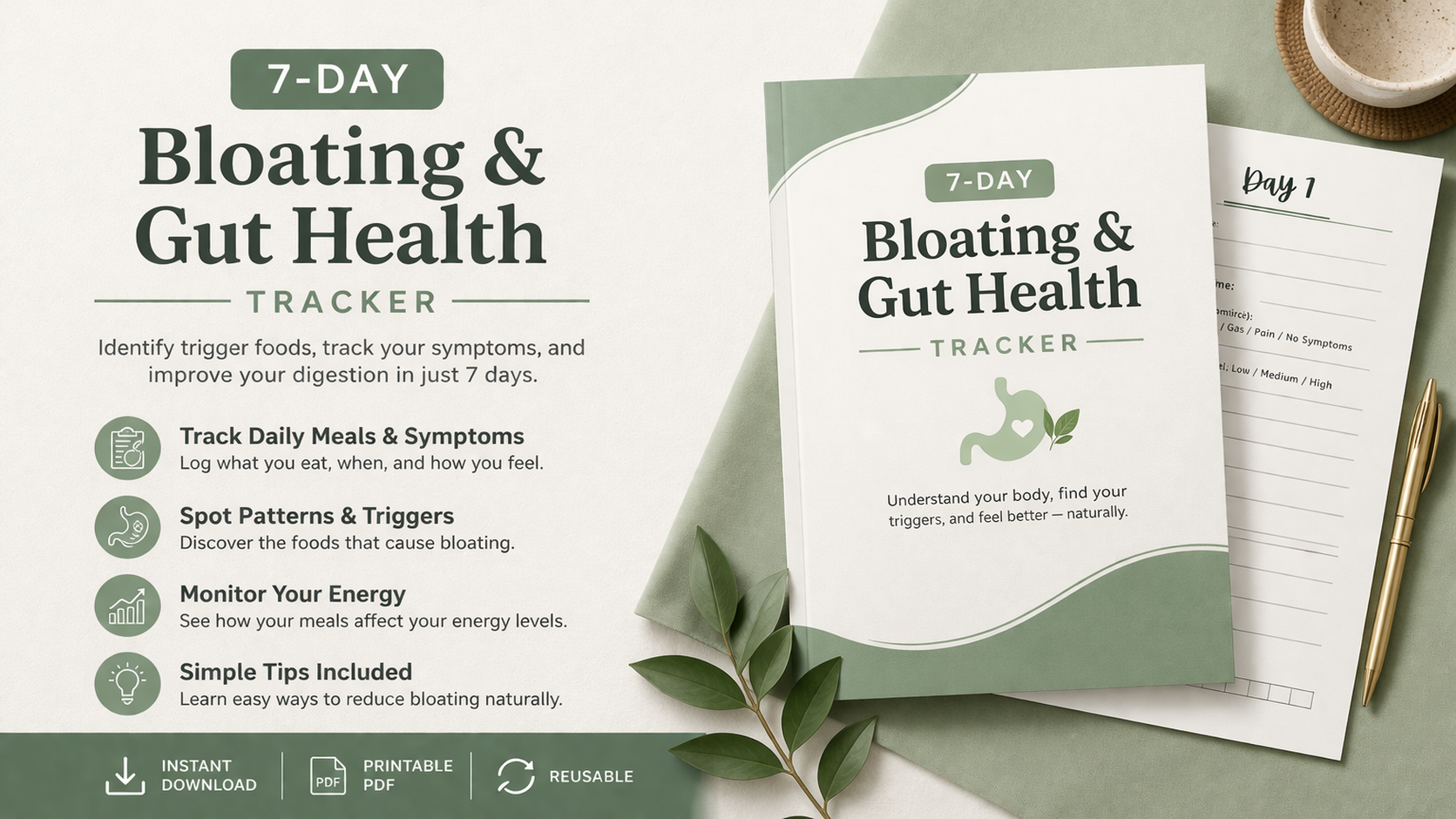
Get the Gut Health Tracker (Printable PDF) →
Other Things That Damage Gut Health
Food is the biggest lever, but a few other factors are worth knowing:
- Antibiotics save lives but also wipe out beneficial bacteria. After a course, support recovery with probiotic-rich foods and a varied plant-heavy diet. Talk to your doctor about whether a probiotic supplement is appropriate for you.
- Frequent NSAID use (ibuprofen, naproxen) can irritate the intestinal lining over time.
- Extreme diets — very low-carb, juice cleanses, prolonged elimination diets — can starve beneficial microbes by removing the fibers and plant compounds they need. Sustainable variety wins over extreme restriction.
- Sedentary lifestyle. Exercise increases microbial diversity. You don’t need to train hard — even regular walking helps.
- Lack of outdoor exposure. Time in nature may modestly support microbiome diversity, possibly through environmental microbial exposure.
Start Small, Track What Works
You don’t need to overhaul everything at once. Audit your pantry this week — what’s ultra-processed, what’s loaded with added sugar, what’s mostly real food? Add one prebiotic food daily. Track what you eat and how you feel for two weeks. Build from there.
The microbiome rewards consistency. Most people notice less bloating, steadier energy, and better digestion within a couple of weeks of cleaner eating. Bigger changes — clearer skin, more stable mood, improved immunity — tend to follow over months.
Further Reading
- PMC research on nutrition and microbiome
- Healthline on things that harm gut bacteria
- Medical News Today on foods to avoid for gut health
If you’ve cleaned up your diet for a few weeks and symptoms persist, please see a gastroenterologist or registered dietitian who specializes in gut health. There are tests (stool analysis, breath tests for SIBO, food sensitivity panels) that can provide answers when general dietary changes don’t.
Small changes compound. The gut you’ll have in three months depends mostly on what you eat in the next three months — and that’s an empowering kind of math.

