

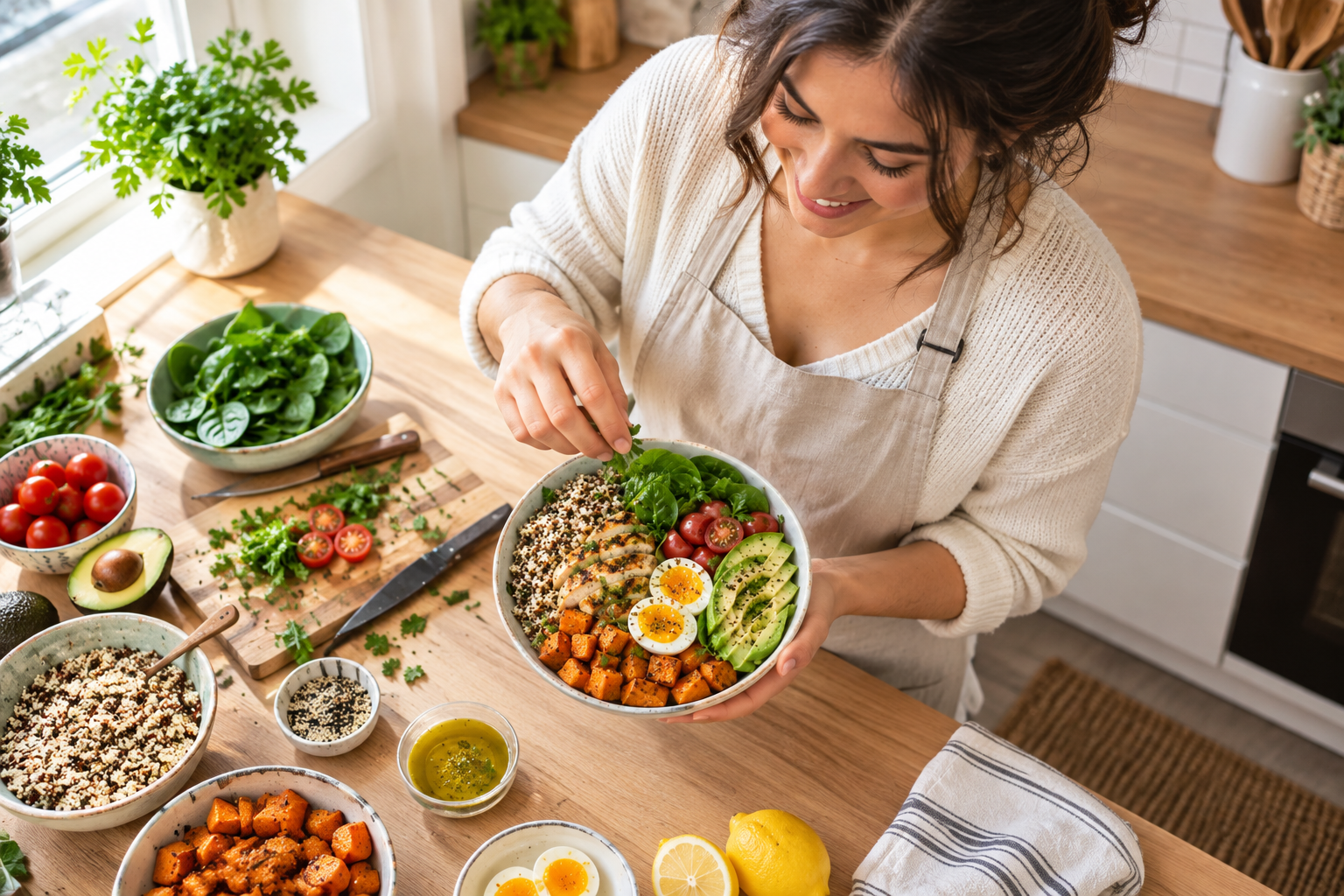
Gluten-Free for Beginners:Symptoms, Foods & Meal Plan
By Happy Gut
If you have started to wonder whether gluten is behind your bloating, tiredness or foggy
mornings, you are not alone. Millions of people look into a gluten-free lifestyle every year, and
most of them begin with the same questions: What is gluten? Which symptoms matter? What
can I actually eat? This guide to Gluten-Free for Beginners: Symptoms, Foods & Meal
Plan answers those questions in plain language, so you can start with confidence instead of
confusion.
A quick note before we begin: this article is for general education and is not medical advice.
Gluten-related symptoms can have several causes, so please talk to a doctor or registered
dietitian about your own situation.
What Is Gluten, and Why Does It Matter?
Gluten is a group of proteins found in wheat, barley and rye. It is what gives bread its stretch,
pasta its chew and baked goods their structure. For most people, gluten causes no problems
at all. For others, it can trigger digestive symptoms or, in the case of celiac disease, damage
to the lining of the small intestine.
Because gluten shows up in far more than bread and pasta, going gluten-free means learning
where it hides. That is the heart of Gluten-Free for Beginners: Symptoms, Foods & Meal
Plan: knowing the signs, knowing the foods, and having a plan.
Gluten Sensitivity, Celiac Disease and Wheat Allergy: What Is the difference?
These three conditions are often mixed up, but they are not the same.
• Celiac disease is an autoimmune condition. When someone with celiac disease eats
gluten, the immune system attacks the small intestine. It requires a medical diagnosis and
strict, lifelong avoidance of gluten.
• Non-celiac gluten sensitivity means you have symptoms after eating gluten, but tests for
celiac disease and wheat allergy are negative. It is usually identified by ruling out the other
two conditions.
Wheat allergy is an allergic reaction to proteins in wheat. Reactions can be quick and
sometimes severe, and it should be managed with an allergist.
Knowing which one applies to you matters, because the level of strictness needed is different
for each.
Common Gluten Sensitivity Symptoms
Symptoms vary widely from person to person, and they may appear within hours or a day or
two after eating gluten. Commonly reported symptoms include:
• Bloating and gas
• Stomach pain or cramping
• Diarrhea, constipation, or both
• Fatigue and low energy
• Brain fog and trouble concentrating
• Headaches
• Joint or muscle aches
• Skin problems such as rashes
The tricky part is that these symptoms overlap with many other conditions, including food
intolerances, stress and irritable bowel syndrome. That is why guessing is not enough. If you
ever notice unexplained weight loss, blood in your stool, persistent vomiting or severe pain,
see a doctor promptly rather than relying on diet changes alone.
Get Checked Before You Cut Gluten
This is the step many beginners skip. If celiac disease is a possibility, testing is only reliable
while you are still eating gluten. If you remove it first, the results can come back misleading,
and you may miss a diagnosis that needs lifelong medical follow-up.
A sensible order looks like this:
1 Talk to your doctor about your symptoms and ask about celiac testing.
2 Rule out wheat allergy and other possible causes.
3 Keep a food and symptom journal for two to four weeks to spot patterns.
4 Work with a registered dietitian if you decide to try an elimination approach.
Where Gluten Hides
Obvious sources include bread, pasta, couscous, cereal, crackers, cookies, cakes, pizza and
beer. The surprises are the ones that catch beginners out:
• Soy sauce and teriyaki sauce, which are usually made with wheat
• Malt vinegar and malt flavoring
• Soups and gravies thickened with flour
• Salad dressings, marinades and seasoning mixes
• Processed meats and veggie burgers
• Oats that are not labeled gluten-free, which are often cross-contaminated
• Some candy, snack bars, medications and supplements
Make a habit of checking the ingredients list every time, even for products you have bought
before, because recipes change.
Naturally Gluten-Free Foods to Build Your Plate Around
Here is the encouraging part: a large share of healthy food is already gluten-free. You do not
need expensive specialty products to eat well.
• Fresh fruits and vegetables
• Meat, poultry, fish and eggs
• Plain dairy such as milk, yogurt and cheese
• Beans, lentils and chickpeas
• Nuts and seeds
• Rice, quinoa, corn, millet, buckwheat and potatoes
Building meals around these foods keeps things simple and helps you get the fiber, vitamins
and minerals that a gluten-free diet can sometimes lack. Packaged gluten-free breads,
cookies and snacks can be lower in fiber and higher in sugar and fat than their regular
versions, so treat them as occasional extras rather than the foundation of your diet.
Easy Gluten-Free Swaps
You can keep many of your favorite meals with a few simple substitutions:
• Wheat pasta: rice, corn, chickpea or lentil pasta, or zucchini noodles
• Soy sauce: tamari labeled gluten-free, or coconut aminos
• Flour for thickening: cornstarch, arrowroot or potato starch
• Breadcrumbs: crushed gluten-free crackers or almond flour
• Flour tortillas: corn tortillas (check the label) or lettuce wraps
• Regular oats: certified gluten-free oats
• Couscous: quinoa, millet or rice
How to Read a Food Label
In the United States, a product labeled “gluten-free” must contain less than 20 parts per
million of gluten under FDA rules. When you shop, check three things: the gluten-free claim
itself, the full ingredients list (look for wheat, barley, rye, malt and brewer’s yeast), and the
allergen statement. Keep in mind that US allergen labeling covers wheat but not barley or rye,
so the ingredients list always deserves a careful read.
At home, prevent cross-contact by using a separate toaster or toaster bags, a separate
colander for pasta, and your own jars of butter and spreads. Clean counters before cooking
and prepare gluten-free items first.
A Simple 7-Day Gluten-Free Meal Plan
Use this sample plan as it is, or swap meals to suit your taste. Portions are up to you and your
healthcare provider.
• Monday: veggie omelet; chicken and quinoa bowl; sheet-pan salmon with potatoes and
green beans
• Tuesday: Greek yogurt with berries and nuts; lentil soup with salad; beef tacos in corn
tortillas
• Wednesday: overnight gluten-free oats; tuna lettuce wraps with fruit; chicken stir-fry with
tamari over rice
• Thursday: sweet potato and egg hash; burrito bowl; turkey meatballs with gluten-free
pasta
• Friday: chia pudding with fruit; chickpea salad on rice cakes; shrimp and veggie skewers
with rice
• Saturday: scrambled eggs with avocado; baked potato with chili; slow-cooker chicken
stew
• Sunday: banana and peanut butter on rice cakes; leftover soup or stew; roast chicken with
vegetables and rice
To make the week easier, cook a big batch of rice or quinoa on Sunday, chop vegetables
once and store them in containers, and freeze extra soup, stew and meatballs in single
portions.
Grocery List Basics
Keep your shopping simple by organizing it into four groups. In the produce aisle, pick up
leafy greens, tomatoes, carrots, peppers, broccoli, potatoes, avocados, berries and lemons.
For protein, choose chicken, fish, lean beef, eggs, canned tuna and beans. For the pantry,
stock rice, quinoa, certified gluten-free oats, gluten-free pasta, corn tortillas, tamari, olive oil
and cornstarch. Finish with dairy and extras such as Greek yogurt, cheese, nut butter,
hummus and popcorn. Always check labels, even on foods that are usually gluten-free.
Eating Out Without Stress
Tell your server clearly that you need gluten-free food and ask how dishes are prepared.
Simple meals such as grilled meat or fish with vegetables and rice are the safest bets. Ask
about shared fryers, sauces and marinades, since these are common hiding places. When
you travel, pack shelf-stable snacks so you are never stuck without a safe option.
Common Beginner Mistakes to Avoid
• Cutting out gluten before getting tested for celiac disease
• Relying on processed gluten-free snacks instead of whole foods
• Forgetting hidden gluten in sauces, spice blends and seasonings
• Ignoring cross-contact in shared kitchens
• Not paying attention to fiber, iron and B vitamins
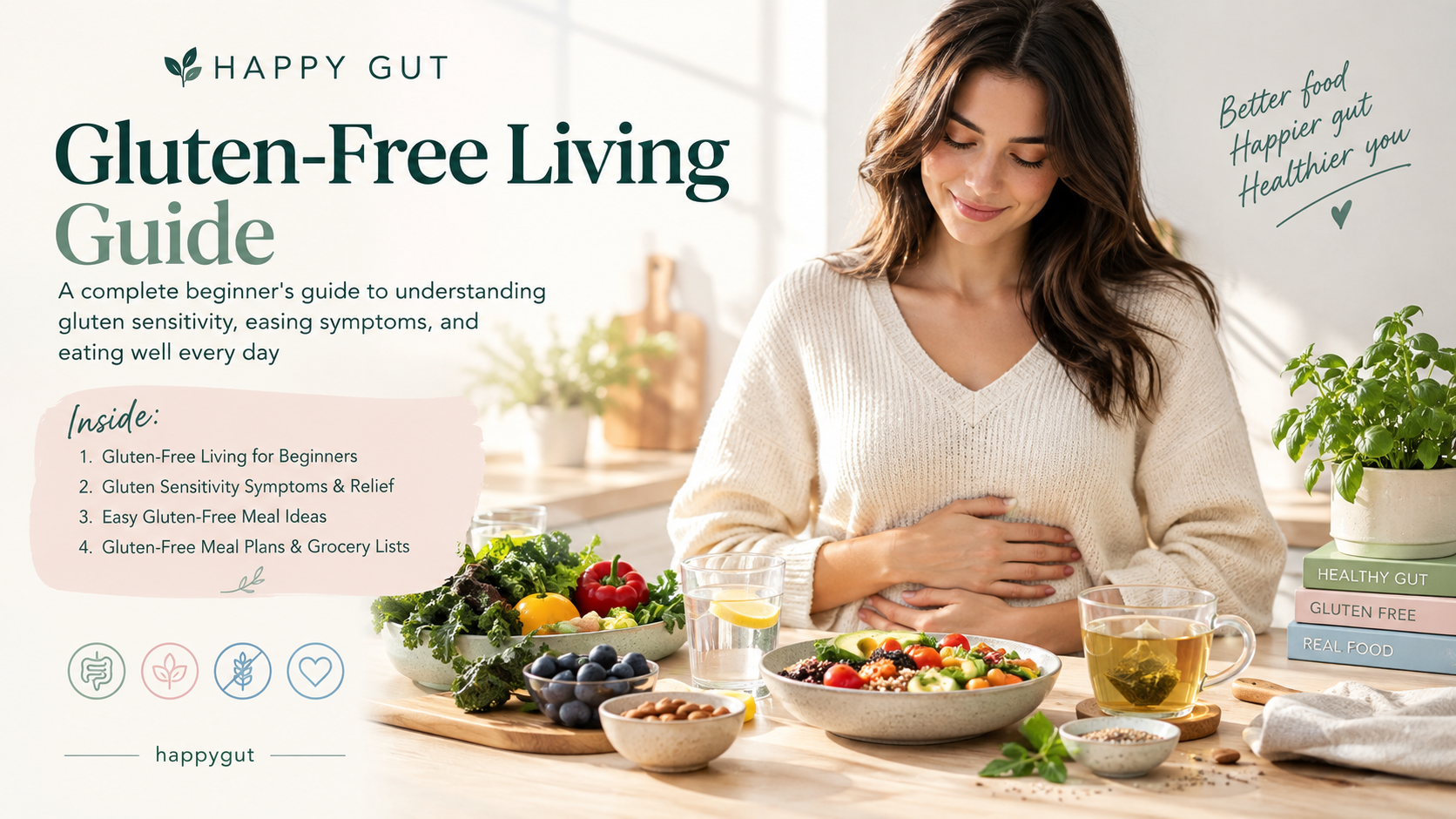
Get the Full Gluten-Free Living Guide
Want everything from this article in one place? Our Gluten-Free Living Guide brings the
basics together with a symptom journal, easy meal ideas, a 7-day meal plan and a printable
grocery list, so you can start your gluten-free journey with a clear plan.
Get the Gluten-Free Living Guide: [link here]
Final Thoughts
Starting a gluten-free lifestyle does not have to be overwhelming. Begin by understanding
your symptoms and getting properly checked, learn where gluten hides, build your meals
around naturally gluten-free foods, and use a simple weekly plan to take the guesswork out of
eating. With these steps, Gluten-Free for Beginners: Symptoms, Foods & Meal Plan
becomes less of a restriction and more of a roadmap to feeling your best.
Start small, stay consistent, and give your body time to respond. If you are unsure about
anything, a doctor or registered dietitian can help you build a plan that fits you.
Disclaimer: This article is for informational purposes only and is not medical advice. Always
consult a qualified healthcare professional about your health and diet.

