
The Ultimate Guide to Fighting Acne for Good
Acne is a frustrating, confidence-denting struggle that affects teenagers and adults alike. The good news: with the right knowledge and tools, you can take real control. This guide covers what causes acne, how to prevent it, and the treatments that actually work—plus lifestyle adjustments that make a meaningful difference.
What Causes Acne?
Acne happens when pores get clogged with oil (sebum), dead skin cells, and bacteria. Several factors drive it:
- Hormones: During puberty, the body produces more oil due to hormonal changes—that’s why teens often deal with breakouts. Adults are affected too, especially through stress and menstrual cycles.
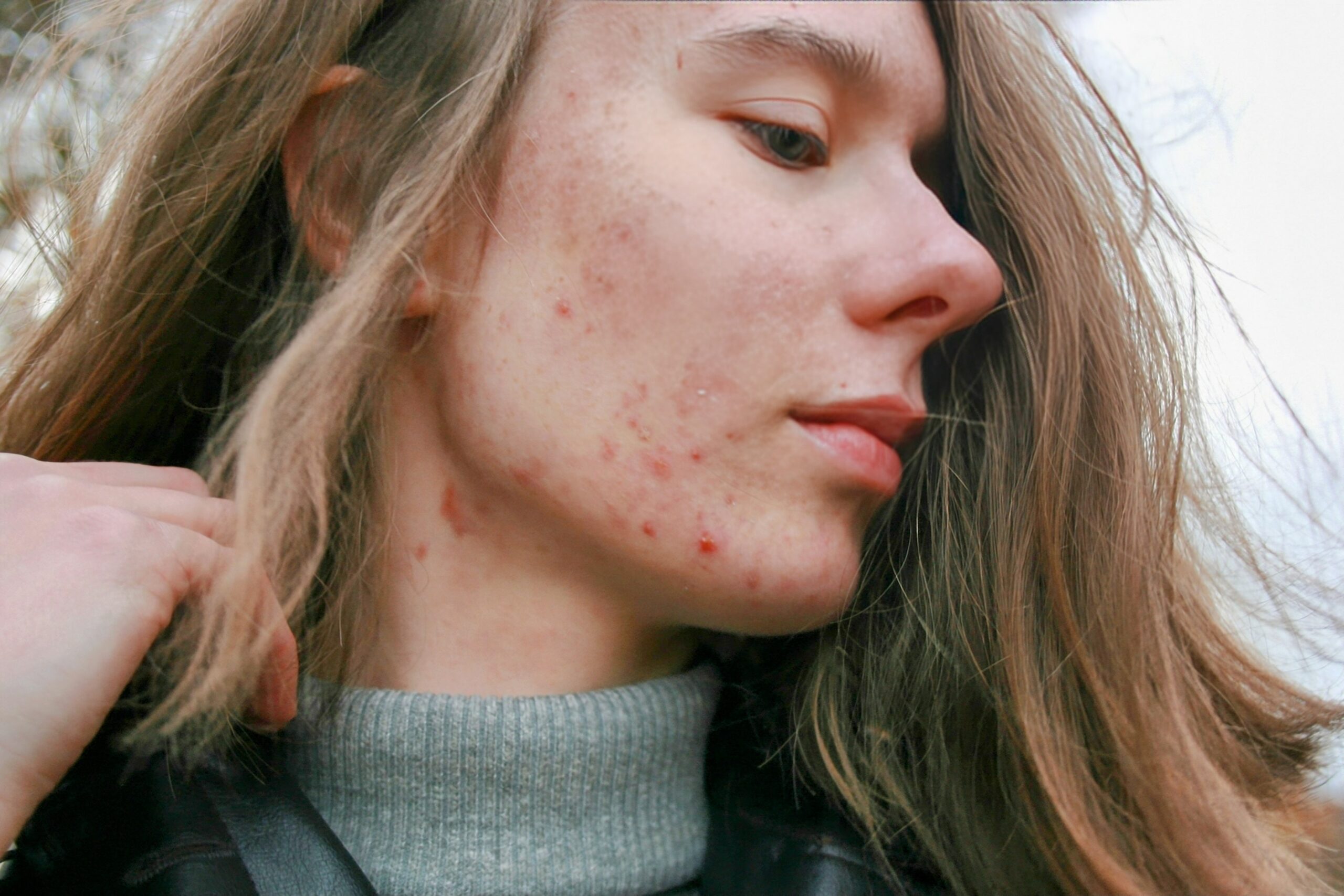
- Bacteria: A bacterium called Cutibacterium acnes (formerly P. acnes) lives in clogged pores. When it multiplies, it causes inflammation and the red, swollen pimples that result.
- Genetics: Family history plays a meaningful role in who develops acne and how severe it is.
- Lifestyle triggers: Touching your face, using the wrong skincare products, humidity, and certain dietary patterns can all worsen breakouts.
Step 1: Build a Solid Skincare Routine
A consistent routine is your best weapon. Start with a gentle cleanser—nothing too harsh, because over-washing strips your skin and triggers more oil. Look for cleansers with salicylic acid or benzoyl peroxide, both effective for unclogging pores.
Follow with a lightweight, non-comedogenic moisturizer. Even if your skin is oily, skipping this step backfires—dehydrated skin compensates by producing more oil.
For active treatment, a spot product with benzoyl peroxide or a topical retinoid (if your dermatologist approves) can help. Don’t forget daily sunscreen—UV rays worsen post-acne marks and scarring.
Consistency matters more than product hopping. Give a new product at least 4–6 weeks before deciding whether it works. Switching too often confuses your skin and prevents you from seeing real results.
Key Skincare Ingredients
A few ingredients have strong evidence for acne management:
- Salicylic acid: A BHA that penetrates pores and dissolves oil. Start with 2% concentration.
- Benzoyl peroxide: Kills C. acnes bacteria and reduces inflammation. Start at 2.5% to minimize irritation.
- Niacinamide: Calms inflammation and regulates oil production.
- Retinoids (adapalene, tretinoin): Speed up cell turnover and prevent clogged pores. Adapalene 0.1% is available over the counter.
- Azelaic acid: Anti-inflammatory, antibacterial, and helps fade post-acne marks. Good for sensitive skin.
Step 2: Watch What You Eat
The link between diet and acne is real, though it varies person to person. Some patterns to consider:
- Dairy: Cow’s milk, especially skim milk, has been linked to acne in several studies. Try swapping for almond or oat milk for a few weeks to see if it helps.
- High-glycemic foods: Sugary and heavily processed foods spike insulin and can worsen breakouts.
- Helpful additions: Fruits, vegetables, fatty fish (omega-3s), and plenty of water support healthier skin.
Small swaps reveal what’s triggering your skin without feeling like a total overhaul.
Step 3: Prevention Tips
Stopping breakouts before they start is easier than treating them:
- Hands off your face. Touching transfers oil and bacteria.
- Wash pillowcases and towels weekly. They accumulate oil and grime quickly.
- Manage stress. Cortisol drives sebum production. Yoga, meditation, or even a daily walk help.
- Remove makeup before bed—always. Sleeping in makeup clogs pores.
- Mind your hair. Oily hair or heavy products can transfer to your forehead and cause breakouts. Keep hair clean and pulled back when possible.
- Clean sports equipment. Helmets, headbands, and chinstraps trap sweat and bacteria.
- Don’t over-exfoliate. Scrubbing too hard or too often irritates skin and worsens acne. Stick to a gentle exfoliant once or twice a week.
Treatments That Actually Work
For mild to moderate acne, over-the-counter benzoyl peroxide or adapalene are solid starting points. For more severe cases—cysts, nodules, or persistent breakouts—see a dermatologist. Options may include:
- Topical or oral antibiotics for inflammatory acne.
- Hormonal treatments like combined oral contraceptives or spironolactone (for those whose acne is hormone-driven).
- Isotretinoin (Accutane) for severe, treatment-resistant acne. It shrinks oil glands dramatically and can lead to long-term clearance, but it has significant side effects and requires medical supervision.
- In-office treatments like chemical peels, laser therapy, and microdermabrasion can help with texture and scarring.
Lifestyle Changes for the Win
- Exercise boosts circulation and skin health, but shower promptly afterward—sweat sitting on skin can clog pores.
- Sleep: Aim for 7–9 hours nightly. Sleep deprivation increases stress hormones, which worsens skin.
- Reduce smoking and excess alcohol—both impair healing and worsen complexion.
- Clean your phone screen regularly. It touches your face constantly.
Common Mistakes to Avoid
- Don’t pop pimples. It spreads bacteria, increases inflammation, and risks scarring.
- Don’t use random social-media remedies. Toothpaste, lemon juice, and baking soda are popular online but can damage your skin barrier.
- Don’t expect overnight results. Skincare takes 4–12 weeks to show meaningful change. Patience is essential.
Final Thoughts
Fighting acne is about understanding your skin and treating it with consistency and care. A solid routine, sensible diet tweaks, stress management, and the right treatment for your severity level all work together. If you’ve tried the basics for a couple of months without improvement, that’s the signal to see a dermatologist—prescription treatments can be transformative.
Above all, acne doesn’t define your worth. Clear skin is a goal worth working toward, but your value isn’t tied to it. Be patient with yourself, and stick with what works.