
Shaving is a daily ritual for many — a smooth face, silky legs, a clean beard line. But sometimes it feels like a battle against your skin. Razor burn, ingrown hairs, and redness can turn a simple task into a frustrating ordeal. Why does it happen, and how do you minimize it? Here’s the science, the myths worth busting, and the practical fixes for a smoother, irritation-free shave.
Why Shaving Causes Irritation
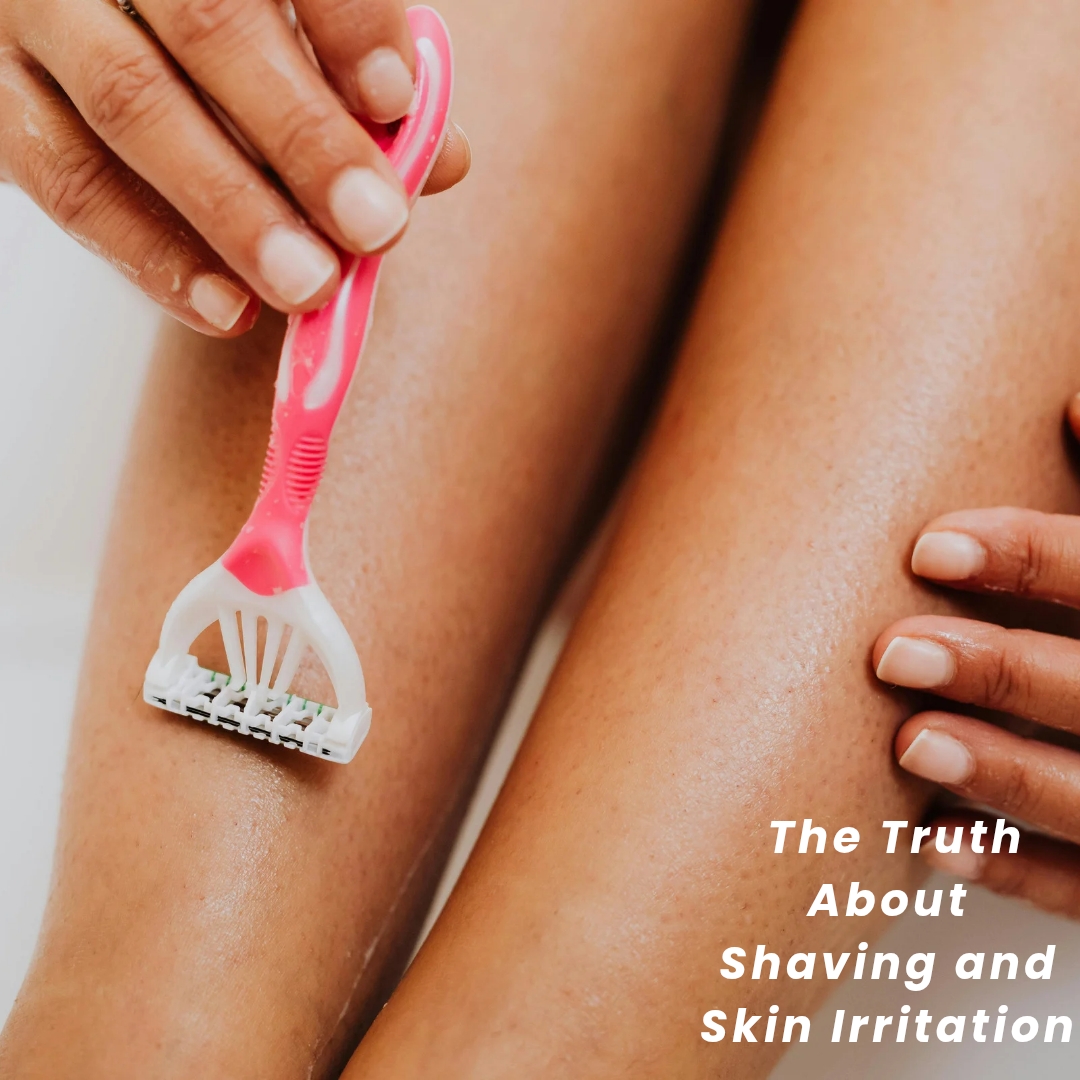
Shaving drags a sharp blade across skin — your body’s first line of defense — and that disrupts its natural balance in a few ways:
- It removes a thin layer of skin. The blade doesn’t just cut hair; it scrapes off part of the stratum corneum, the protective outer layer of dead cells. That leaves skin more vulnerable to redness, dryness, and razor burn.
- Friction and pressure. Pressing too hard, or using a razor that isn’t gliding smoothly, inflames the skin — especially when shaving dry or with minimal lubrication.
- Ingrown hairs. When shaved hair curls back into the skin instead of growing out, it causes inflammation and painful bumps. More common with curly hair and when shaving against the grain.
- Sensitivities and allergies. Some people react to shaving creams, fragrances, or even nickel in blades. Alcohol and synthetic fragrances strip natural oils and leave skin raw.
- Bacteria and micro-cuts. Razors can introduce bacteria into tiny nicks, causing folliculitis (inflamed follicles). This is why blade hygiene matters.
Myths Worth Busting
“Shaving makes hair grow back thicker.” False. Shaving cuts hair at the surface and doesn’t touch the follicle or growth pattern. The blunt edge of regrowth can feel coarser, but it isn’t thicker — regrowth is driven by genetics and hormones, not your razor.
“More blades equals a better shave.” Multi-blade razors promise closeness but pass over skin multiple times, stripping more of the protective layer. For sensitive skin, a single- or double-blade razor is often gentler.
“You don’t need to prep your skin.” Shaving dry is a recipe for irritation. At least a minute of warm water to soften hair, plus a good cream or pre-shave oil, makes a real difference.
“Shaving against the grain is always bad.” It gives a closer shave but is riskier for irritation and ingrowns. It’s not universally bad — but if you go against the grain, do it as a second pass after going with the grain first.
How to Minimize Irritation
1. Prep properly
Take a warm shower or apply a warm damp towel for 1–2 minutes to soften hair and open pores. A gentle exfoliating scrub beforehand removes dead skin and helps prevent ingrowns (don’t exfoliate raw or already-irritated skin).
2. Choose the right razor
For sensitive skin, fewer blades or a razor designed for sensitivity works best. Replace blades regularly — dull blades tug at hair and increase irritation. Swap every 5–7 shaves depending on hair thickness.
3. Use a quality cream or gel
Good lubrication reduces friction. Look for soothing ingredients like aloe or chamomile; avoid alcohol and heavy fragrance. Apply a thick layer and let it sit a moment before shaving.
4. Shave smart
- Go with the grain. Shave in the direction of hair growth. For a closer result, reapply cream and do a gentle second pass.
- Light pressure. Let the razor do the work — pressing hard scrapes skin.
- Rinse the blade often to clear hair and cream and keep it gliding.
5. Post-shave care
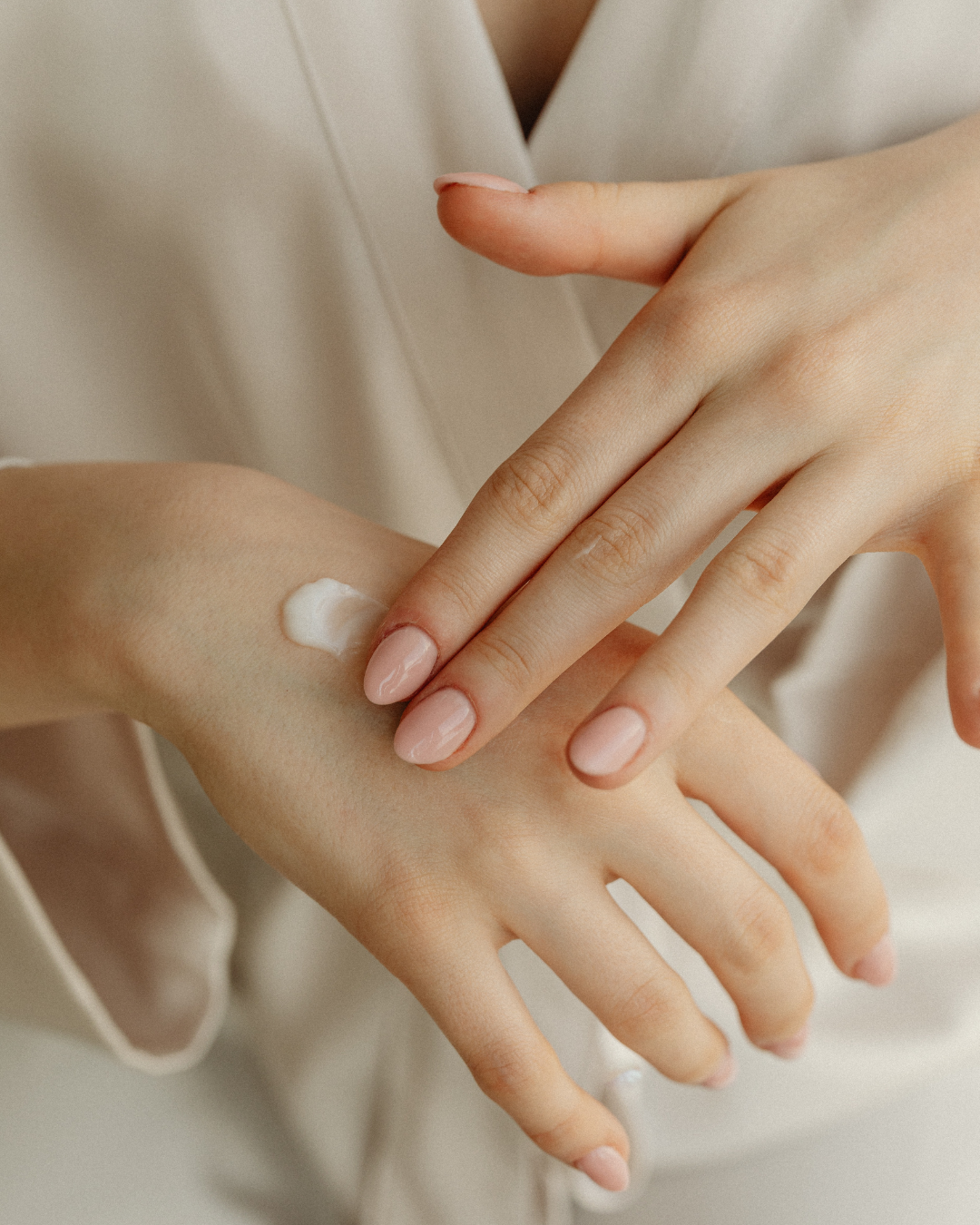
Rinse with cool water, pat dry (don’t rub), and apply a fragrance-free moisturizer or aftershave balm. Soothing ingredients like aloe, niacinamide, or panthenol calm redness. Avoid alcohol-based aftershaves, which dry out skin.
6. Keep your razor clean
Rinse thoroughly after each use and store it somewhere dry to prevent bacterial growth. A weekly soak in rubbing alcohol helps keep blades sanitary.
7. Consider alternatives
If irritation persists, electric razors and trimmers are less likely to cause razor burn. Waxing or laser hair removal are worth considering for longer-term hair reduction.
How Skin Type Affects Shaving
- Dry skin — needs extra hydration; use a rich cream and follow with a heavier moisturizer.
- Oily skin — can clog razors; cleanse thoroughly first and use a lightweight non-comedogenic moisturizer.
- Sensitive skin — benefits from hypoallergenic, fragrance-free products and single-blade razors.
- Combination skin — balance products that hydrate without clogging pores.
Lifestyle Factors
- Diet and hydration — well-hydrated skin (and a diet with vitamin E and omega-3s) is less prone to irritation.
- Stress — high stress triggers inflammation and makes skin more reactive.
- Sleep — poor sleep impairs skin repair and raises sensitivity.
When to See a Dermatologist
If irritation persists despite good technique — chronic redness, severe ingrown hairs, or signs of infection like pus or swelling — see a dermatologist. It could indicate folliculitis, eczema, or another condition needing prescription treatment or professional hair removal.
The Bottom Line
Shaving doesn’t have to mean suffering. Prep properly, use a sharp clean blade and good lubrication, shave with the grain under light pressure, and moisturize afterward. Match your products to your skin type, keep your razor clean, and switch methods if something isn’t working. A little care goes a long way toward smooth, irritation-free skin.